
Discover the majestic peaks, hidden valleys, and vibrant culture of the “Land of Gods.” This comprehensive Himachal Pradesh travel guide covers the top destinations, adventure spots, hidden gems, and local secrets to help you plan the perfect Himachal tour.
1. Introduction to Himachal Pradesh
Tucked away in the lap of the Western Himalayas, Himachal Pradesh is a poetic symphony of snow-clad peaks, roaring rivers, and vibrant valleys. Known as Devbhoomi, or the “Land of Gods,” it is a place where ancient myths breathe alongside modern-day adventure. Every bend in the road reveals a new story—a centuries-old monastery, a terraced apple orchard, or a charming hamlet wrapped in the aroma of pine and oak.
The history of Himachal Pradesh is as layered as its mountains. From the ancient indigenous tribes and the rule of various hill rajas to the British administrators who chose Shimla as their summer capital, the state is a beautiful amalgamation of cultures. This heritage is most visible in its warm, resilient mountain people, whose simple lifestyle revolves around agriculture, weaving, and a deep reverence for nature.
Why is Himachal Pradesh one of the best travel destinations in India? Simply because it offers something for everyone. For the thrill-seeker, there are rushing rivers and high-altitude treks. For the soul-searcher, there are quiet meditation retreats in Buddhist monasteries. And for the nature lover, there are endless expanses of green meadows and glowing, snow-capped horizons. Whether you are a solo backpacker looking for offbeat hidden gems or a family seeking the comforts of the best hill stations, Himachal tourism welcomes you with open arms.
2. Best Places to Visit in Himachal Pradesh (City-Wise)
Himachal Pradesh boasts a diverse range of destinations, each with its own unique vibe and attractions. Here is a curated list of the best places to visit in Himachal Pradesh, broken down by destination.
1. Shimla
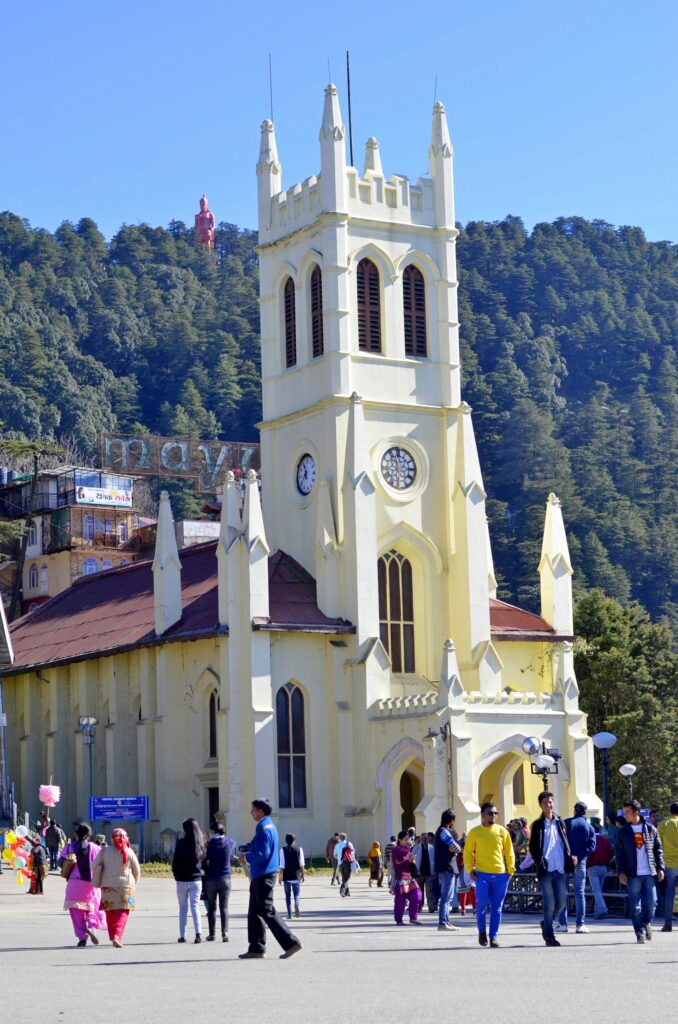
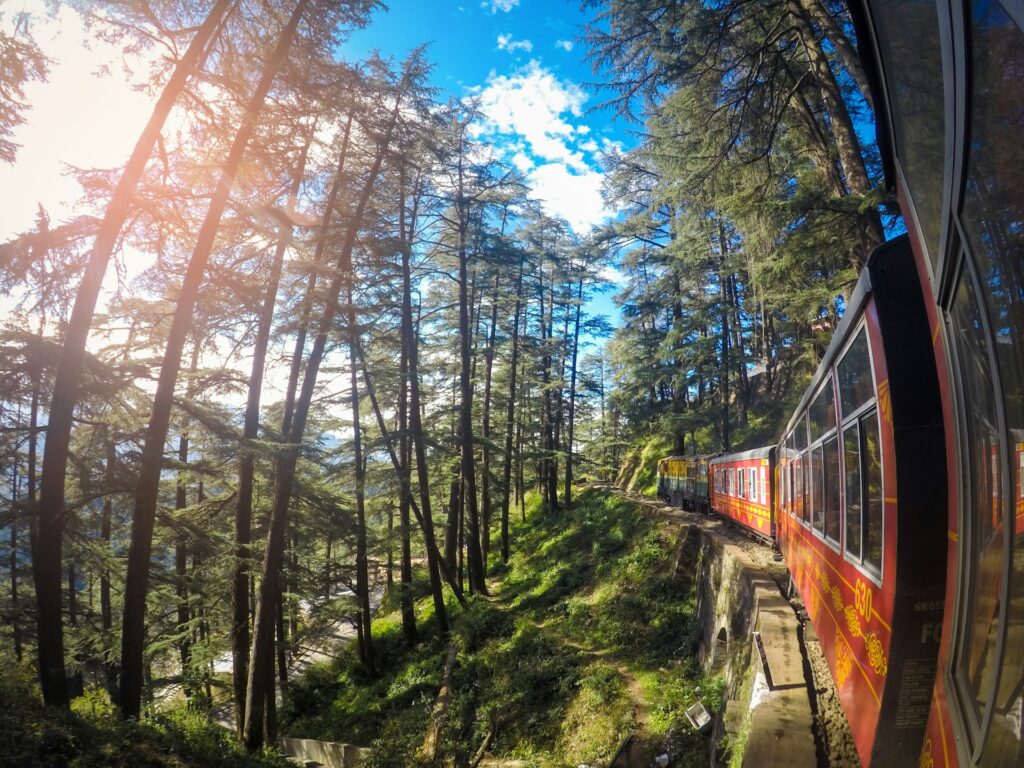
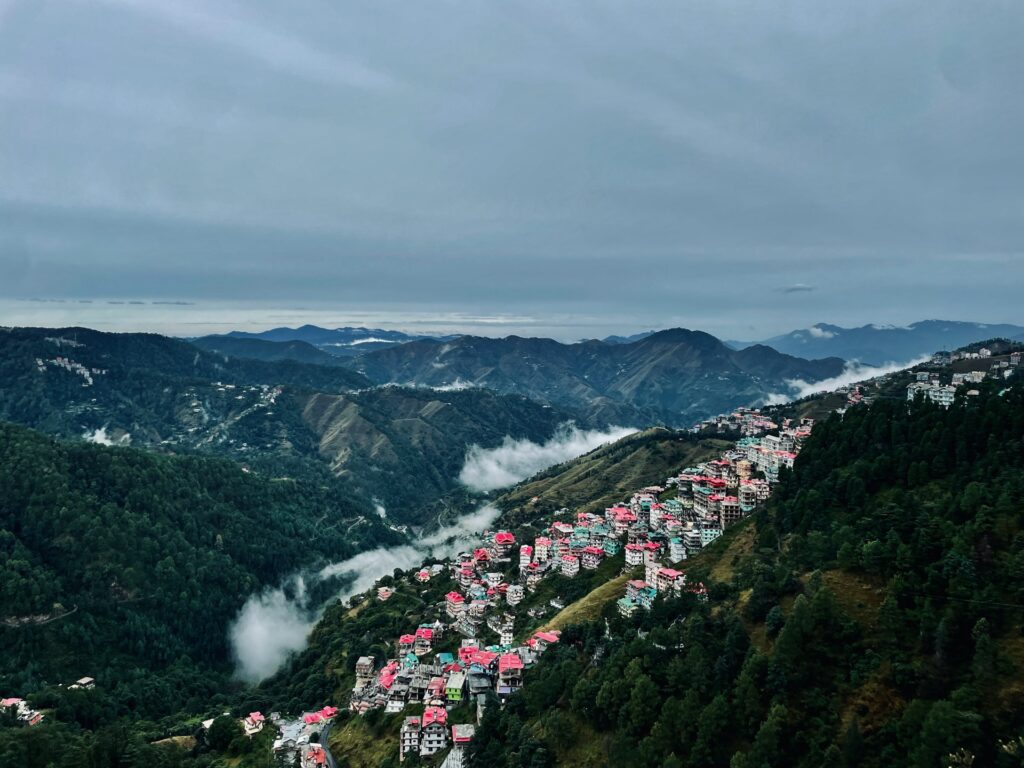
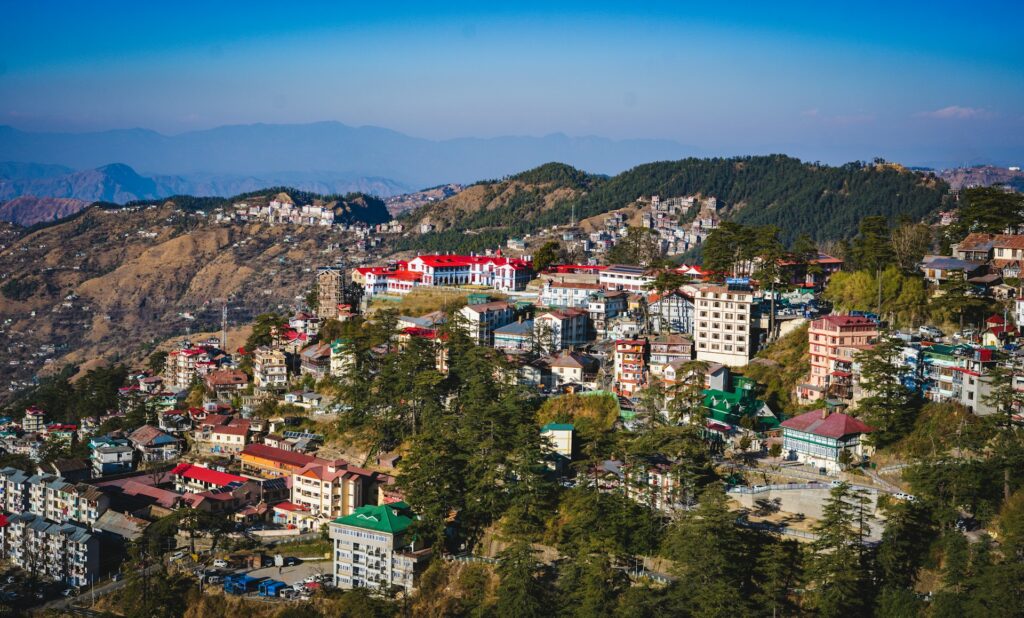
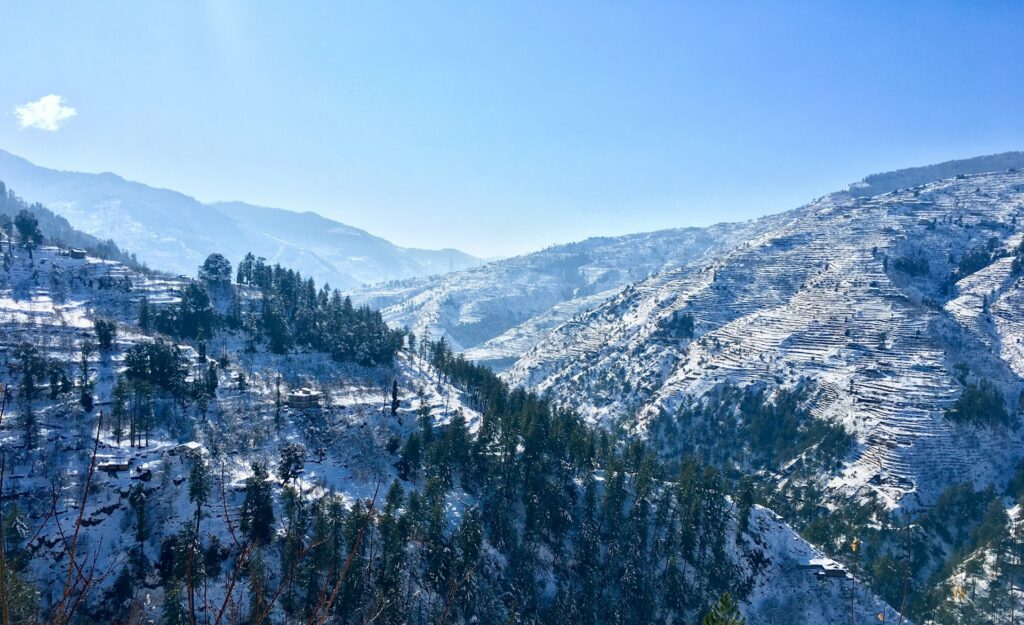
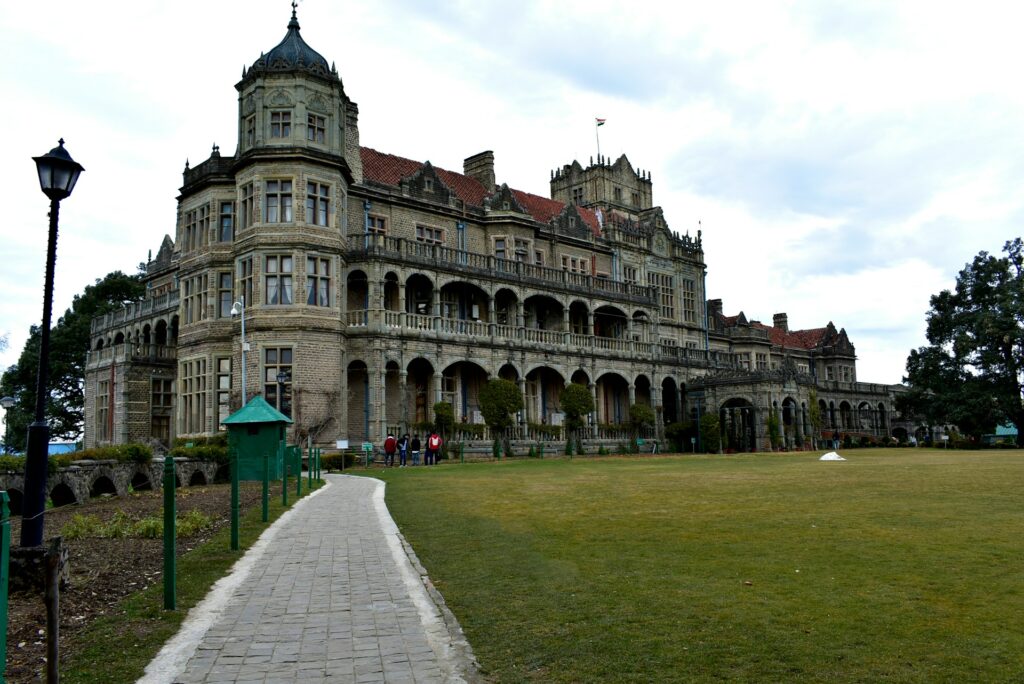
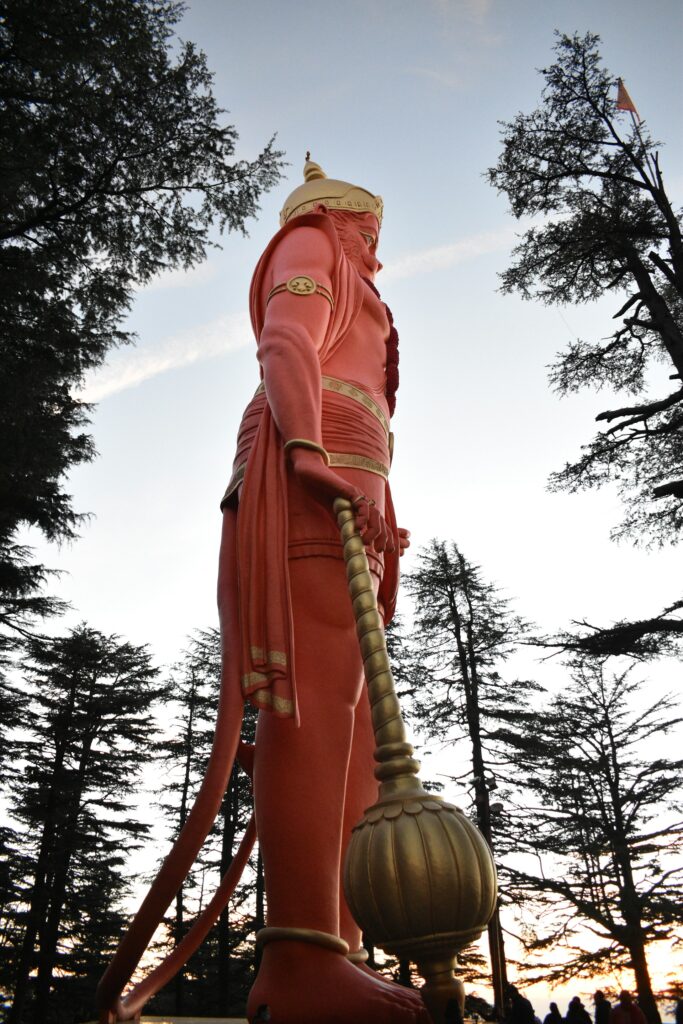
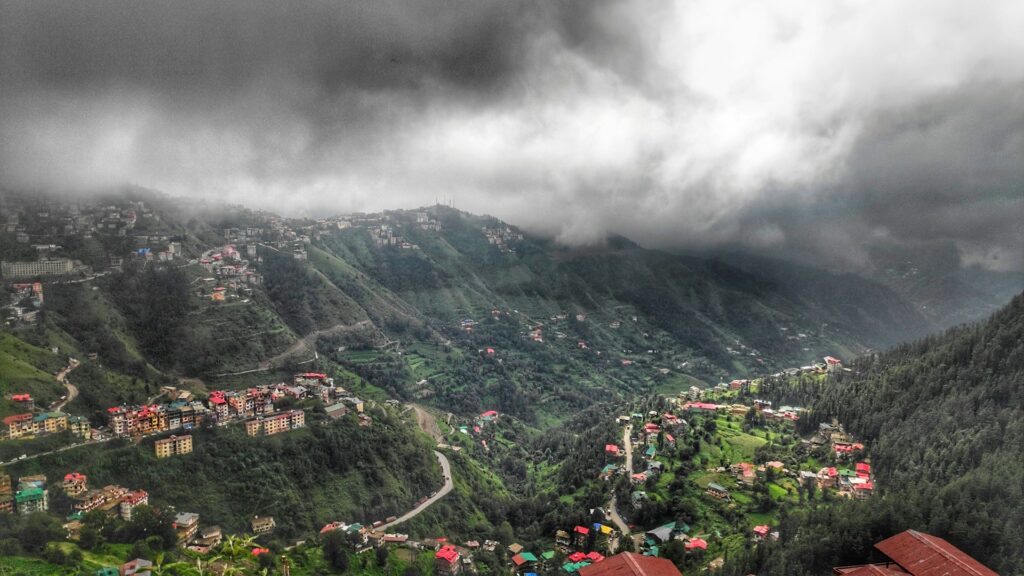
As the former summer capital of British India, Shimla perfectly balances colonial charm with bustling modern-day tourism.
- Why it’s famous: The UNESCO World Heritage Kalka-Shimla Toy Train and the bustling Mall Road.
- Main attractions: The Ridge, Christ Church, Jakhu Temple, and the Viceregal Lodge.
- Things to do: Take a toy train ride, shop for local handicrafts, and enjoy evening strolls.
- Local food/culture: Savor Himachali Dham and freshly baked goods at local bakeries.
- Adventure activities: Ice skating (in winter), nature walks, and short treks.
- Best time to visit: March to June (pleasant weather) and December to February (for snowfall).
- Ideal duration: 2–3 days.
- Travel tips: Wear comfortable walking shoes, as most of the Ridge and Mall Road are vehicle-free zones.
2. Manali
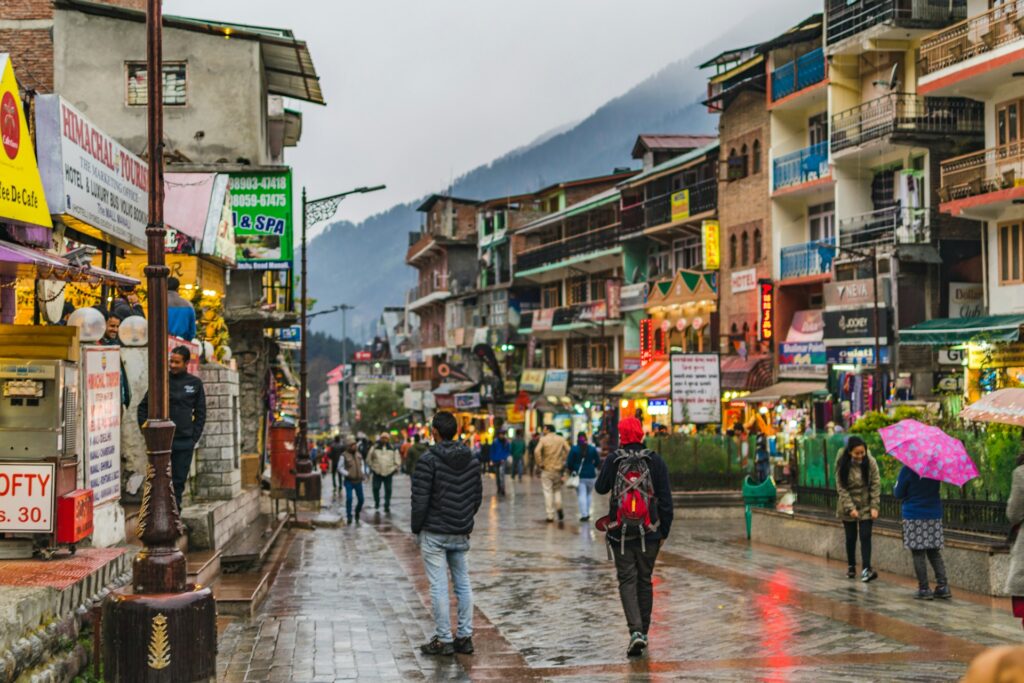
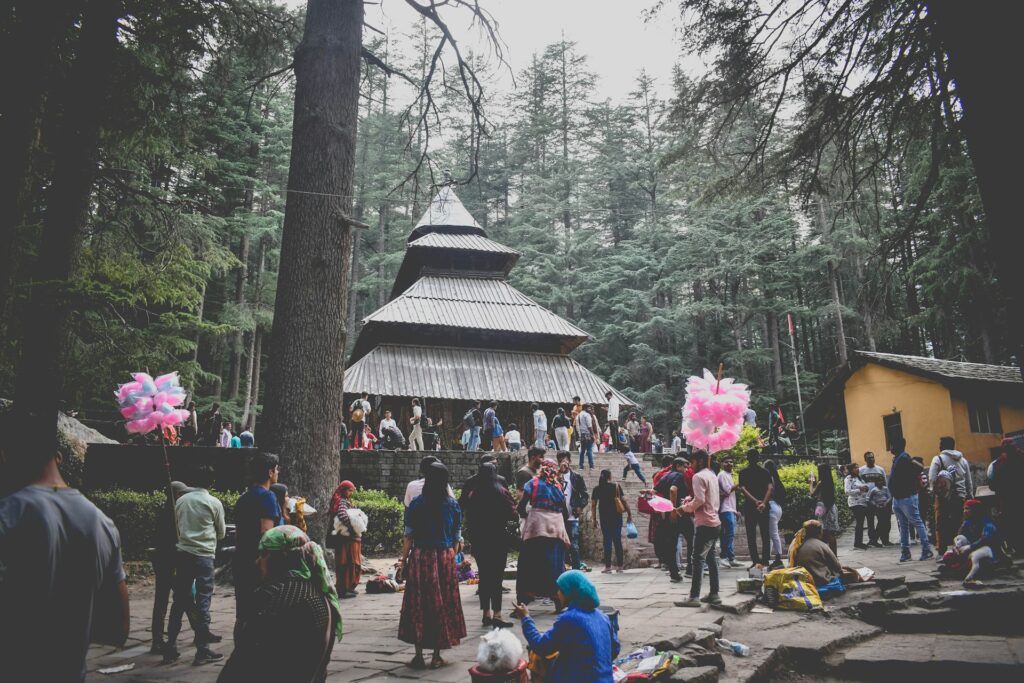
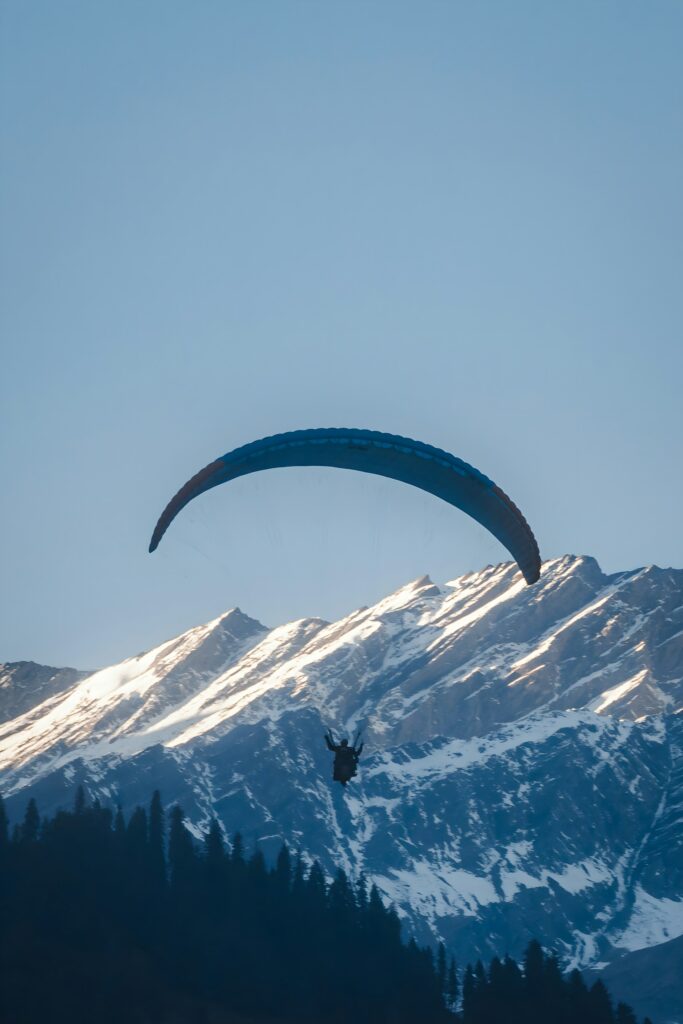
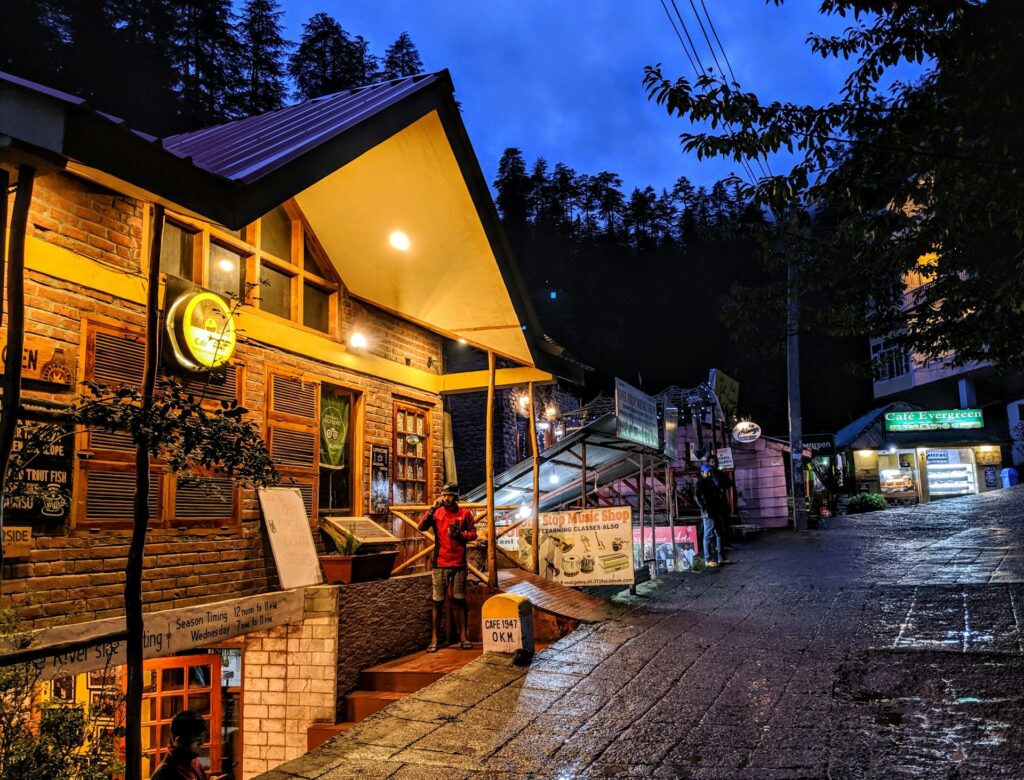
Nestled on the banks of the Beas River, Manali is a vibrant hub that serves as the gateway to the Lahaul and Spiti valleys.
- Why it’s famous: Snow-capped peaks, apple orchards, and thrilling adventure sports.
- Main attractions: Solang Valley, Rohtang Pass, Hadimba Temple, and Old Manali.
- Things to do: Paragliding in Solang Valley, exploring hippie cafes in Old Manali, and hot water springs at Vashisht.
- Local food/culture: Try Siddu (steamed bread stuffed with lentils/walnuts) and trout fish.
- Adventure activities: River rafting, skiing, zorbing, and mountain biking.
- Best time to visit: May to October for pleasant weather; December to February for snow.
- Ideal duration: 3–4 days.
- Travel tips: Book your Rohtang Pass permits in advance, as access is strictly regulated.
3. Dharamshala
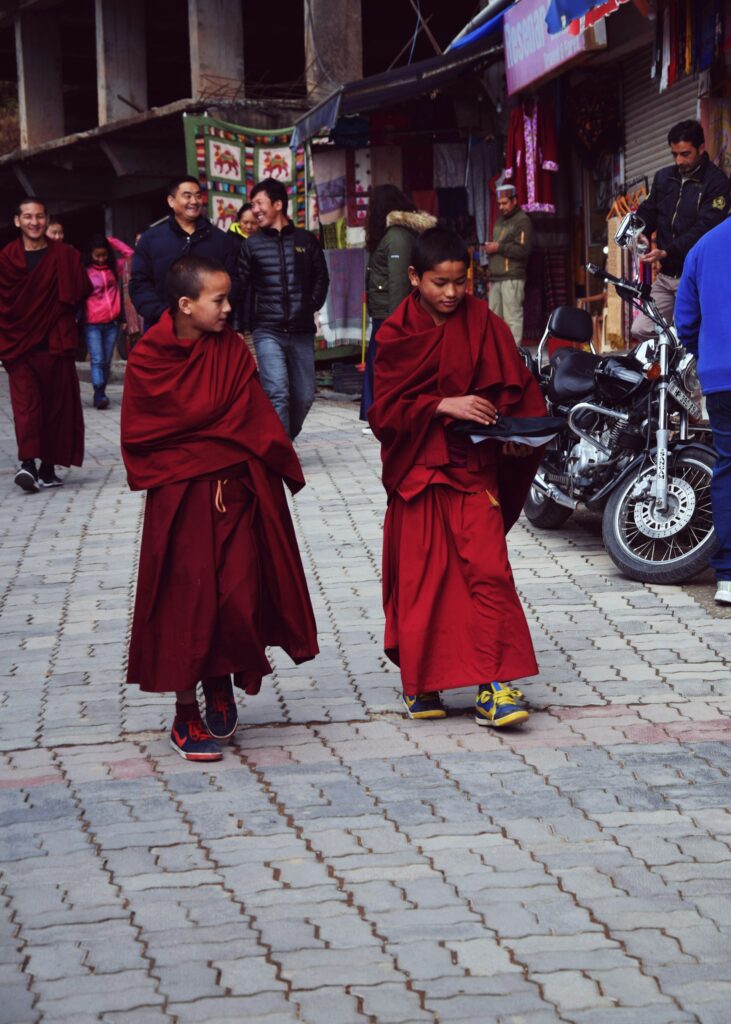
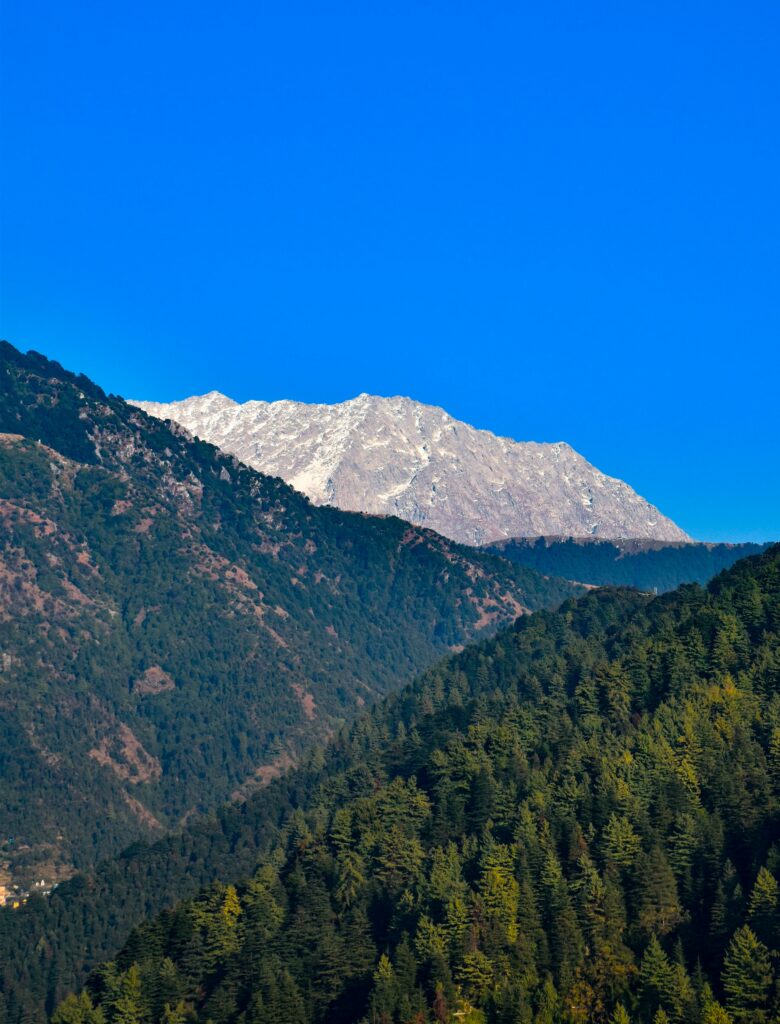
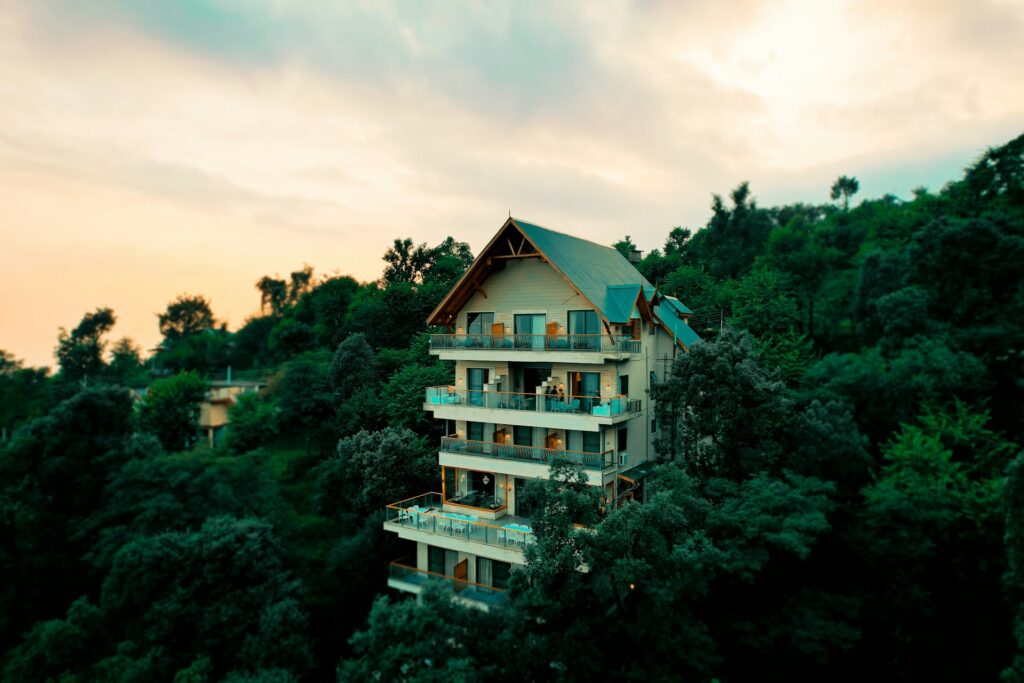
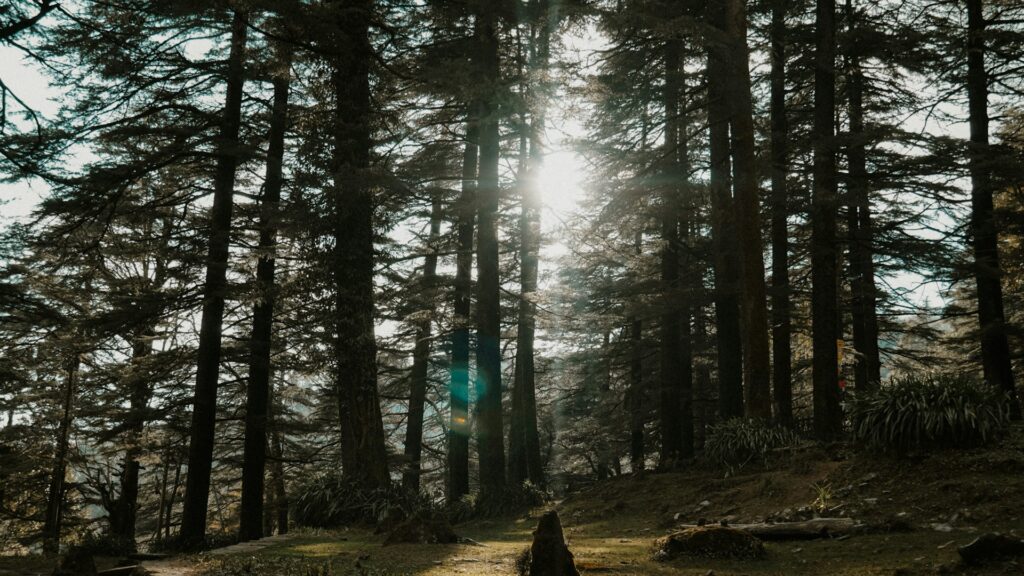
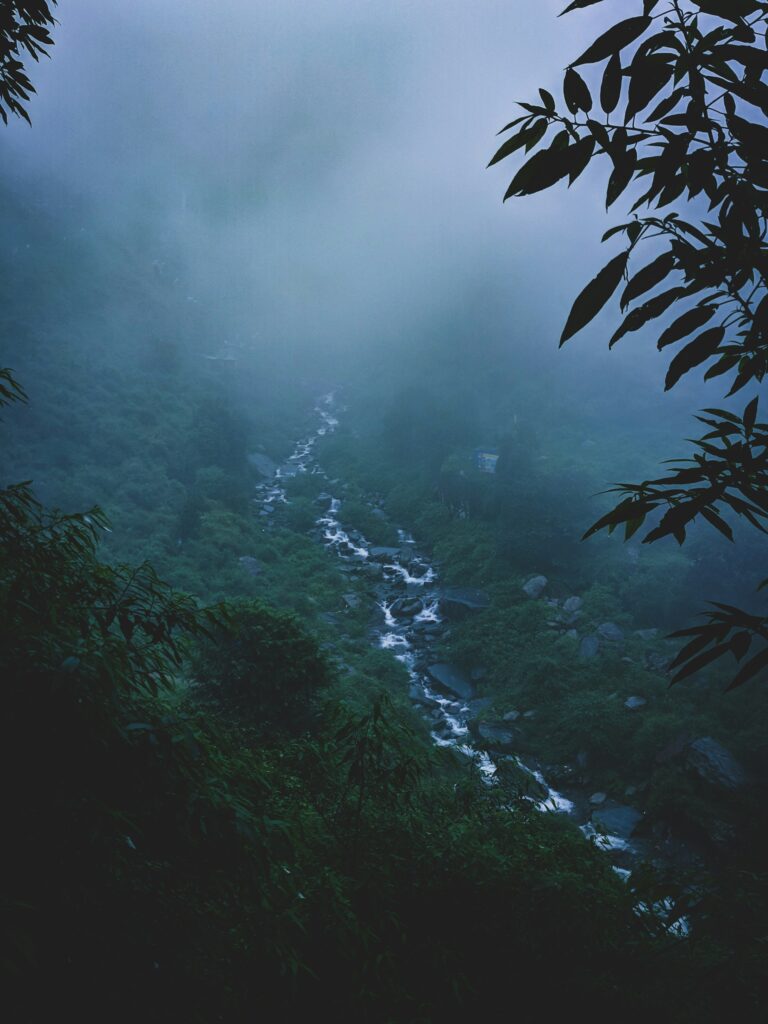
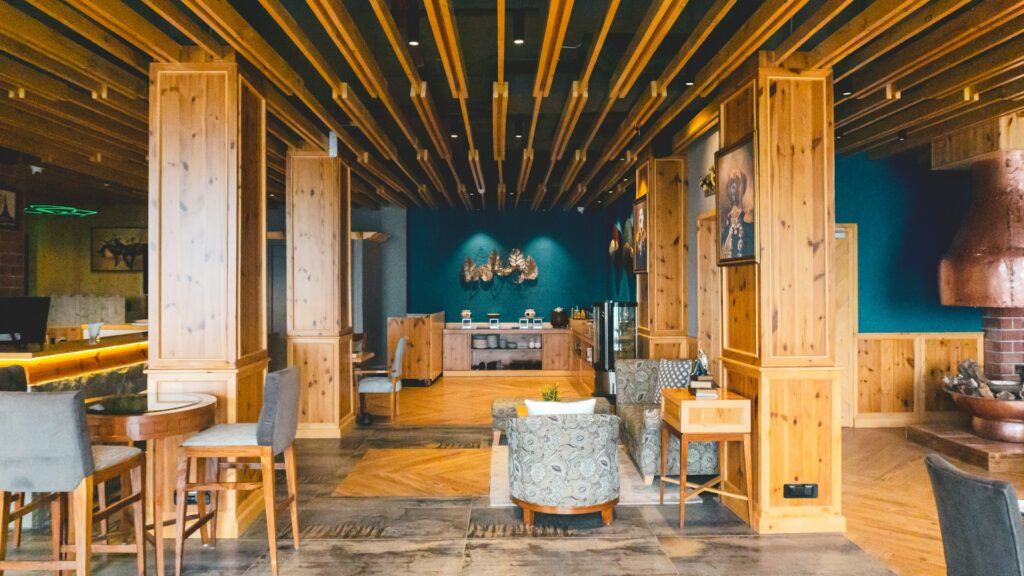
Located in the Kangra district, Dharamshala is a stunning city that beautifully merges Himachali culture with a strong Tibetan influence.
- Why it’s famous: It is the residence of the Dalai Lama and the center of the Tibetan exile community.
- Main attractions: HPCA Stadium, Namgyal Monastery, and Bhagsunag Waterfall.
- Things to do: Visit the Tibetan Museum, explore local markets, and drink butter tea.
- Local food/culture: Relish authentic Tibetan momos, Thukpa (noodle soup), and Tibetan bread.
- Adventure activities: Camping and nature photography.
- Best time to visit: March to June, and September to November.
- Ideal duration: 2 days.
- Travel tips: Respect the local customs and dress modestly when visiting monasteries.
Often called “Little Lhasa,” McLeod Ganj is a suburb of Dharamshala and sits higher up in the hills.
- Why it’s famous: Spiritual retreats, vibrant cafes, and the starting point of the Triund trek.
- Main attractions: Tsuglagkhang Complex, Bhagsu Nag Temple, and Dal Lake.
- Things to do: Trek to Triund, meditate in the Dalai Lama Temple, and cafe-hopping.
- Local food/culture: Enjoy Himachali, Tibetan, and Israeli cuisines in the lively cafes.
- Adventure activities: Trekking and rock climbing.
- Best time to visit: March to June.
- Ideal duration: 2–3 days.
- Travel tips: Pack warm layers, as the weather can change abruptly in the evenings.
5. Dalhousie
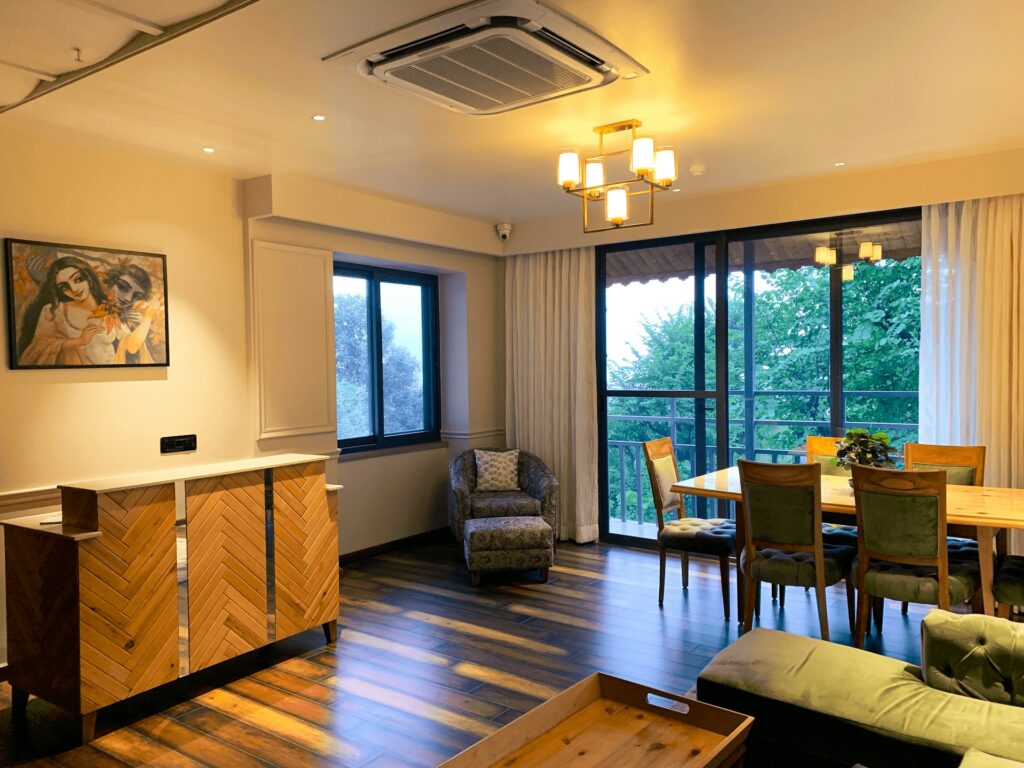
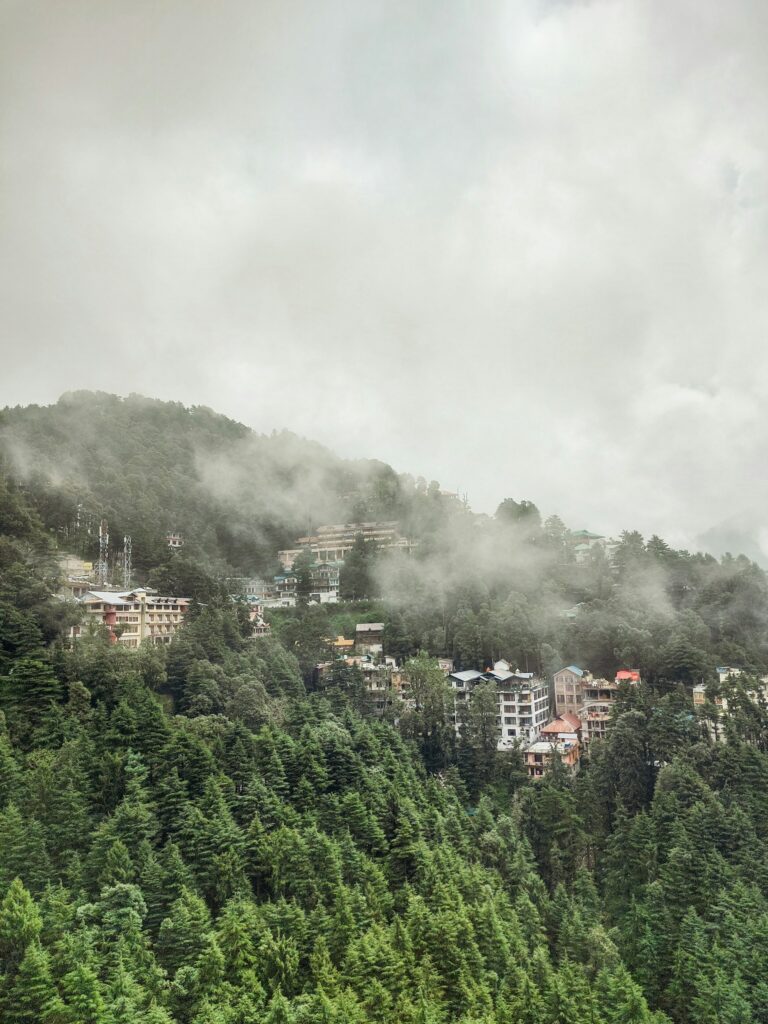
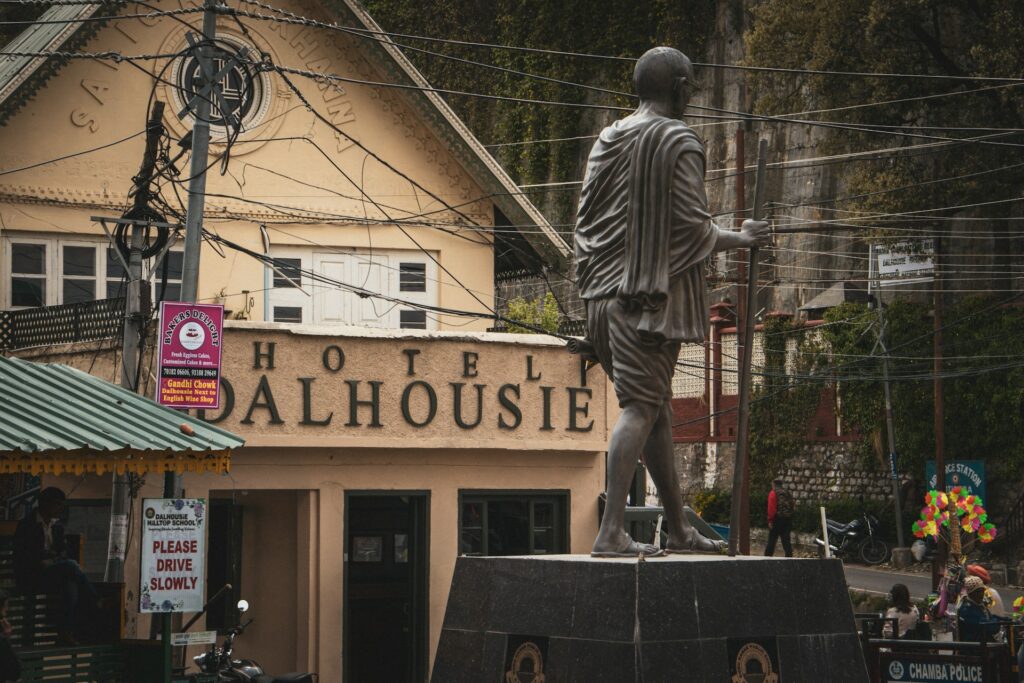
Spread across five hills, Dalhousie is a quiet, serene hill station known for its old-world charm.
- Why it’s famous: Colonial-era architecture, pine-scented air, and panoramic views of the Dhauladhar range.
- Main attractions: Panchpula, Satdhara Falls, and the Kalatop Wildlife Sanctuary.
- Things to do: Walk through the colonial bungalows, take nature trails, and visit Subhash Baoli.
- Local food/culture: Enjoy piping hot Maggi and Himachali snacks at roadside stalls.
- Adventure activities: Jungle safaris in Kalatop and trekking.
- Best time to visit: March to May.
- Ideal duration: 2–3 days.
- Travel tips: Hire a local guide to get the best out of the wildlife sanctuary and waterfall trails.
6. Spiti Valley
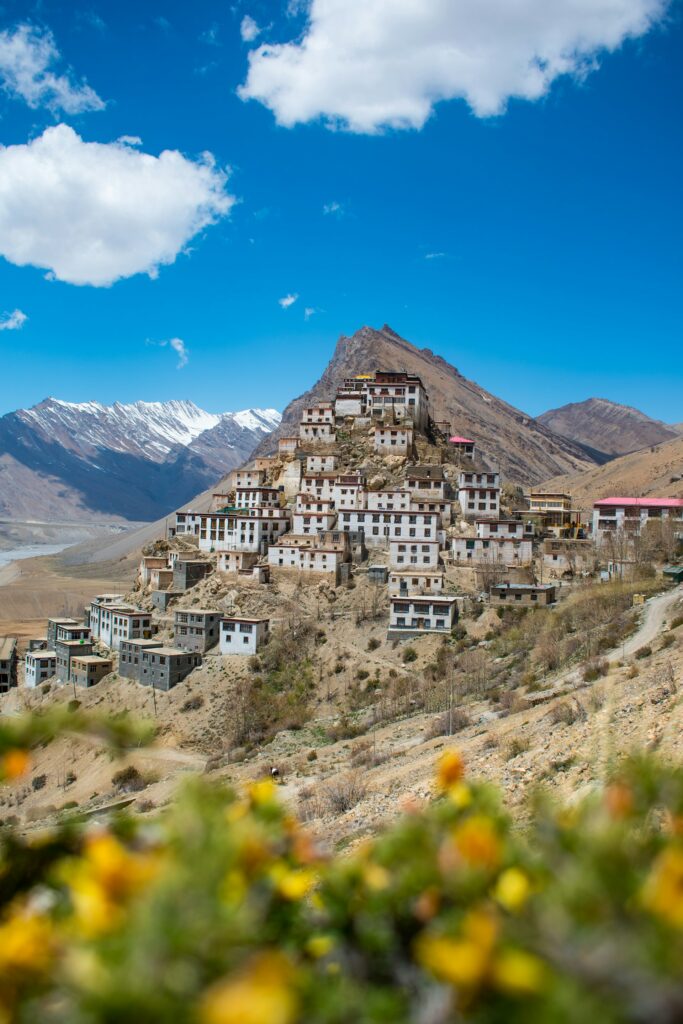
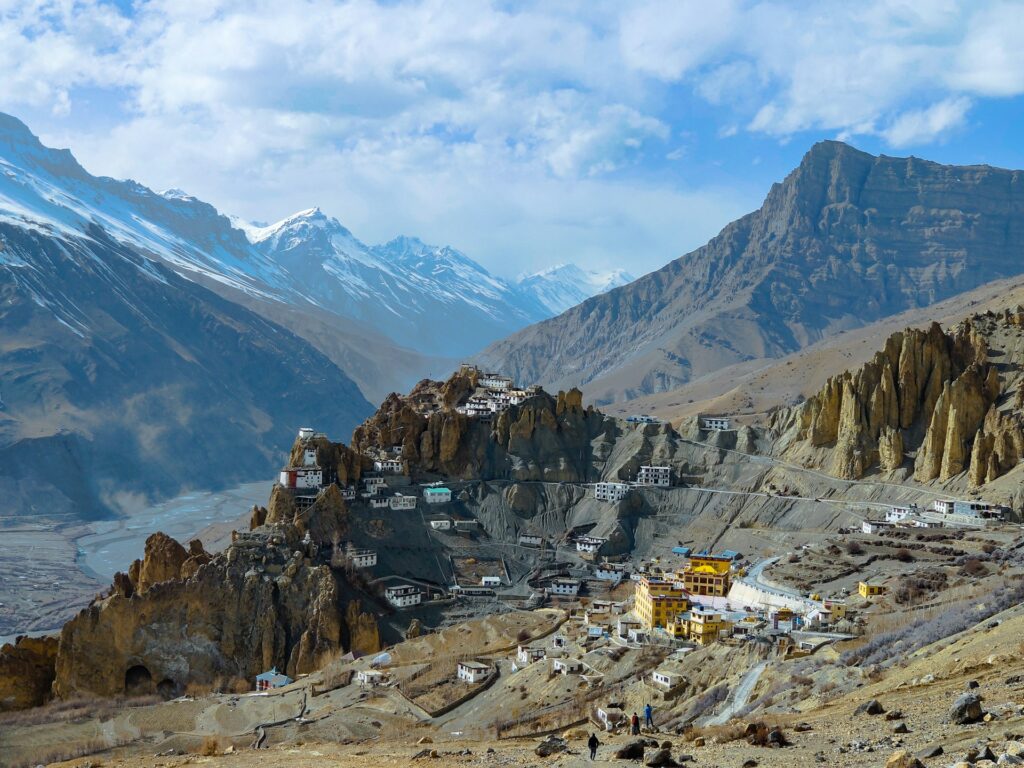
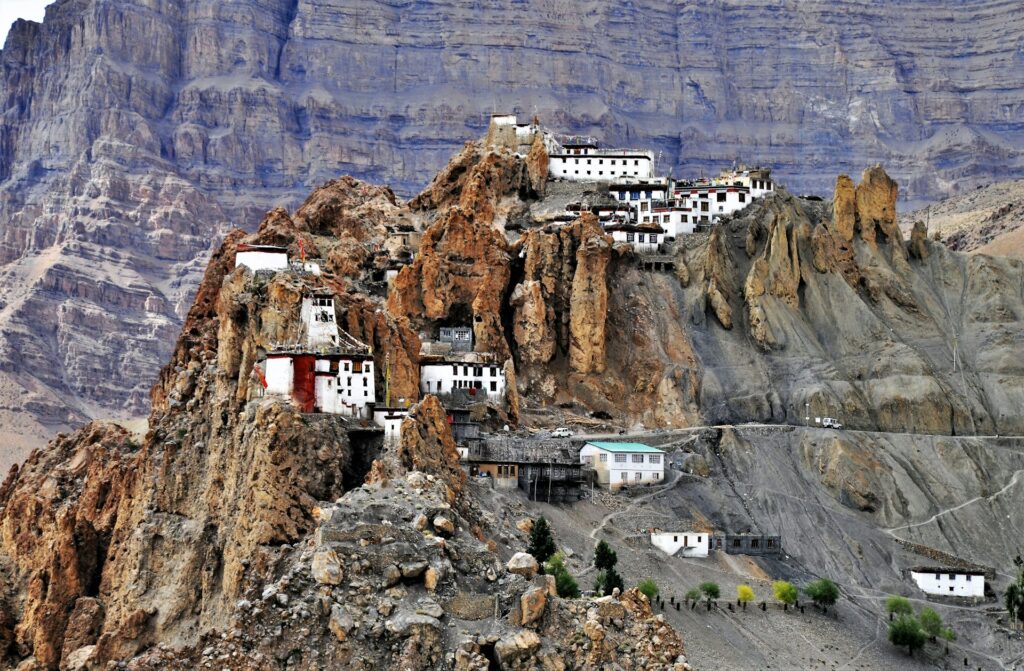
A high-altitude desert in the Himalayas, Spiti Valley is a remote paradise for the intrepid traveler.
- Why it’s famous: Stark, lunar landscapes, ancient monasteries, and challenging but breathtaking road trips.
- Main attractions: Key Monastery, Chandratal Lake, and the highest post office in Hikkim.
- Things to do: Stargaze by Chandratal Lake, send a postcard from Hikkim, and explore caves.
- Local food/culture: Try Thupka, Skudr (Spiti noodle dish), and local seabuckthorn juice.
- Adventure activities: High-altitude trekking, mountain biking, and motorcycle expeditions.
- Best time to visit: July to September (the only time roads from Manali/Shimla are fully clear).
- Ideal duration: 5–7 days.
- Travel tips: Carry sufficient cash, as ATMs are scarce in Spiti, and stay hydrated to prevent altitude sickness.
7. Kasol
Situated in the Parvati Valley, Kasol is a haven for backpackers, trekkers, and nature lovers.
- Why it’s famous: scenic riverside views, hippie culture, and the gateway to Kheerganga.
- Main attractions: Manikaran Sahib (hot springs), Chalal village, and the Parvati River.
- Things to do: Trek to Kheerganga, sit by the river, and relax in cozy cafes.
- Local food/culture: Savor delicious Israeli food, Shakshuka, and baked desserts.
- Adventure activities: River crossing, camping, and trekking.
- Best time to visit: March to June.
- Ideal duration: 2–3 days.
- Travel tips: Respect local sensitivities and avoid venturing too close to the strong currents of the Parvati River.
8. Bir Billing
Recognized as the paragliding capital of India, Bir Billing is a small village with soaring scenic appeal.
- Why it’s famous: World-class paragliding and serene Tibetan monasteries.
- Main attractions: Bir Tea Factory, Chokling Monastery, and the paragliding landing site.
- Things to do: Tandem paragliding, cycling, and exploring the Tibetan Colony.
- Local food/culture: Try Tibetan laphing, momos, and momo cha (tea).
- Adventure activities: Paragliding and hang gliding.
- Best time to visit: September to November, and March to June.
- Ideal duration: 1–2 days.
- Travel tips: Book your paragliding sessions with certified and experienced pilots only.
9. Khajjiar
Often hailed as the “Mini Switzerland of India”, Khajjiar is a small, enchanting saucer-shaped meadow.
- Why it’s famous: Lush green meadows, a dense cedar forest, and a floating lake.
- Main attractions: Khajji Nag Temple, Khajjiar Lake, and the Golden Devi Temple.
- Things to do: Zorbing, horse riding, and photography in traditional Himachali attire.
- Local food/culture: Try rajma chawal and Himachali siddu.
- Adventure activities: Zorbing and paragliding.
- Best time to visit: March to October.
- Ideal duration: 1 day (best as a day trip from Dalhousie).
- Travel tips: Carry an umbrella as the weather can change very quickly.
10. Tirthan Valley
Located at the entrance of the Great Himalayan National Park, this is a quiet, offbeat valley.
- Why it’s famous: Trout fishing, pristine rivers, and dense forests.
- Main attractions: Great Himalayan National Park, Serolsar Lake, and Chhoie Waterfall.
- Things to do: Angling, trout fishing, bird watching, and hiking.
- Local food/culture: Stay in traditional Himachali homestays and eat fresh local produce.
- Adventure activities: Trekking, camping, and rock climbing.
- Best time to visit: March to June, and September to November.
- Ideal duration: 2–3 days.
- Travel tips: Do carry insect repellent and wear sturdy hiking boots.
11. Sangla & Chitkul
Located in the Kinnaur district, Sangla is famous for its breathtaking apple orchards and charming wooden houses. Chitkul is the last inhabited village on the Indo-China border.
- Why it’s famous: Majestic views of the Kinner Kailash peaks and untouched cultural heritage.
- Main attractions: Kamru Fort, Batseri village, and the Baspa River.
- Things to do: Walk across wooden bridges, interact with locals, and take photography tours.
- Local food/culture: The local Kinnauri cuisine is unique; try their Chhilta (pancake) and locally brewed apricot wine.
- Adventure activities: River crossing and high-altitude trekking.
- Best time to visit: May to October.
- Ideal duration: 2 days.
- Travel tips: Indian citizens require an Inner Line Permit to travel beyond a certain point in Kinnaur, though tourists usually don’t need one for Sangla itself.
12. Malana
A truly hidden gem, Malana is an ancient, isolated village known for its distinct social customs and culture.
- Why it’s famous: The unique governance system (said to be one of the world’s oldest democracies) and the mystical Malana Cream.
- Main attractions: Malana Village, Jamlu Devta Temple.
- Things to do: Trek to the village (from Jari) and learn about the local culture (observe from a distance).
- Local food/culture: The locals strictly maintain their traditions; tourists are not allowed to touch their walls or belongings.
- Adventure activities: Off-the-beaten-path trekking.
- Best time to visit: May to August.
- Ideal duration: 1 day (as a day trek).
- Travel tips: Respect local rules strictly. Photography inside the village is often prohibited.
13. Kufri
Located just a short distance from Shimla, Kufri turns into a winter wonderland during the snow months.
- Why it’s famous: Skiing slopes and panoramic views of the surrounding valleys.
- Main attractions: Himalayan Nature Park, Mahasu Peak, and Kufri Fun World.
- Things to do: Yak rides, skiing, and tobogganing in winter.
- Local food/culture: Hot tea and snacks at the hilltop view points.
- Adventure activities: Skiing, hiking, and horse riding.
- Best time to visit: December to February (for snow), and April to June (for nature).
- Ideal duration: 1–2 days.
- Travel tips: Negotiate rates for yak and horse rides before you begin.
14. Narkanda
A relatively untouched hill station famous for its apple belts, Narkanda is a paradise for those who hate crowds.
- Why it’s famous: Skiing resorts and panoramic views of the majestic Hatu Peak.
- Main attractions: Hatu Peak, Tannu Jubbar Lake, and Stokes Farm.
- Things to do: Trek to Hatu Peak, visit the ancient Hatu Mata Temple, and bike through apple orchards.
- Adventure activities: Skiing (winter), mountain biking, and trekking.
- Best time to visit: January to March (snow) and July to September (apples).
- Ideal duration: 1–2 days.
- Travel tips: The road to Hatu Peak is narrow; hire a local taxi or go with an experienced driver.
15. Solang Valley
Popularly known as the ‘Snow Point’, Solang is located 14 km from Manali and is a hotspot for adventure enthusiasts.
- Why it’s famous: Rolling meadows, snow in winter, and action-packed sports.
- Things to do: Zorbing, quad biking, and taking the ropeway for panoramic views.
- Adventure activities: Paragliding, skiing, and parachuting.
- Best time to visit: December to March (for snow) and April to June (for summer activities).
- Ideal duration: 1 day.
- Travel tips: Always rent high-quality waterproof gear if you are playing in the snow.
16. Barot Valley
A stunning valley in the Mandi district, Barot is an offbeat destination that often remains a secret from mass tourism.
- Why it’s famous: The Uhl River, hydel projects, and beautiful cedar forests.
- Main attractions: Nargu Wildlife Sanctuary, Uhl River, and Shanan Power House.
- Things to do: Camping by the river, angling, and jungle trekking.
- Local food/culture: Fresh trout is the specialty here—make sure to try a fresh catch!
- Adventure activities: Trekking and angling.
- Best time to visit: April to November.
- Ideal duration: 1–2 days.
- Travel tips: Take a shared taxi from Jogindernagar for the best local commute.
17. Kalpa
Located in the Kinnaur district, Kalpa is a beautiful, sleepy town facing the holy Kinner Kailash ranges.
- Why it’s famous: Stunning views of the Kinner Kailash peak, which changes colors through the day.
- Main attractions: Roghi Village, Suicide Point, and Hu-Bu-Lan-Kar Monastery.
- Things to do: Stroll through apple orchards, witness the golden hour on the peaks, and visit ancient temples.
- Adventure activities: Trekking and scenic walks.
- Best time to visit: April to October.
- Ideal duration: 2 days.
- Travel tips: Pack very heavy woolens, as evenings can become freezing, even in summer.
18. Palampur
Known as the “Tea Capital of Northwest India,” Palampur is surrounded by tea gardens and pine forests.
- Why it’s famous: Continuous expanses of emerald tea gardens and gushing streams.
- Main attractions: Bundla Tea Estate, Saurabh Van Vihar, and Tashi Jong Monastery.
- Things to do: Walk through the tea estates, visit nearby Neugal Cafe, and do paragliding (Bir is nearby).
- Local food/culture: Buy locally processed green tea and enjoy Himachali snacks.
- Adventure activities: Paragliding, angling, and day hikes.
- Best time to visit: March to June, and September to November.
- Ideal duration: 1–2 days.
- Travel tips: Carry cameras to capture the brilliant contrast of tea gardens and snow-capped Dhauladhar peaks in the backdrop.
19. Chail
Once the summer capital of the Maharaja of Patiala, Chail is a heavily wooded, serene hill station located just an hour from Shimla.
- Why it’s famous: The world’s highest cricket ground and the sprawling Chail Palace.
- Main attractions: Chail Palace, Chail Wildlife Sanctuary, and Sidh Baba Ka Mandir.
- Things to do: Explore the palace, play a game of cricket, and walk through pine forests.
- Adventure activities: Hiking, camping, and wildlife photography.
- Best time to visit: May to October.
- Ideal duration: 1–2 days.
- Travel tips: The Chail Palace offers great heritage stays if you wish to experience royal living.
20. Kasauli
A quintessential colonial-era hill station wrapped in peace, Kasauli is the perfect weekend getaway.
- Why it’s famous: Quiet cobblestone paths, oak forests, and spectacular viewpoints.
- Main attractions: Gilbert Trail, Manki Point (Hanuman Temple), and the Christ Church.
- Things to do: Stroll along the Gilbert Trail, watch the sunset, and visit the local brewery.
- Adventure activities: Nature walks and moderate hiking.
- Best time to visit: March to June, and October to November.
- Ideal duration: 1–2 days.
- Travel tips: Respect the tranquility of the town; it is a designated “silent zone.”
3. Best Time to Visit Himachal Pradesh
Himachal Pradesh is a destination for all seasons. Depending on what you want to experience, here is a seasonal breakdown to help you plan your Himachal tour:
1. Spring and Summer (March to June)
This is the peak tourist season in Himachal. The snow begins to melt, revealing lush green valleys, and the weather is blissfully pleasant, making it the perfect escape from the scorching heat of the Indian plains. It is the best time for sightseeing, paragliding, trekking, and camping.
2. Monsoon (July to September)
While the valleys look vibrant and emerald green, the monsoon season can be tricky and sometimes dangerous in Himachal Pradesh. Landslides and flash floods are common in certain areas, particularly the deeper valleys and Kinnaur regions. However, regions like Spiti (in the rain shadow) remain relatively safe and beautiful. Travelers are advised to check local weather warnings.
3. Autumn (October to November)
With the retreating monsoon, the skies turn bright blue, and the weather becomes crisp and clear. It is a wonderful time to visit apple orchards in Kinnaur and Narkanda when they are laden with fruit. The crowds thin out, making it an excellent time for photography and nature walks.
4. Winter (December to February)
If you want to experience snowfall, this is the best time to visit places like Shimla, Manali, and Kufri. The landscape transforms into a stunning white wonderland, perfect for honeymooners and winter sports enthusiasts. Wrap up warmly in thermal layers, grab a cup of hot tea, and enjoy the cozy mountain vibe.
4. Things to Pack for a Himachal Trip
Packing for a trip to the mountains requires careful planning, as the weather is notoriously unpredictable. Here is a handy checklist:
- For Summers:
- Light cotton clothing with long sleeves (for sun protection).
- A light jacket, windcheater, or cardigan for the chilly evenings.
- Comfortable walking shoes or trekking boots.
- Sunscreen, sunglasses, and a wide-brimmed hat.
- For Winters:
- Heavy thermal innerwear.
- Heavy fleece jackets and down/feather jackets.
- Waterproof gloves and snow boots (if you are visiting snow points).
- Woolen caps, mufflers, and thick woolen socks.
- General Travel Essentials:
- Basic first aid (band-aids, motion sickness pills, pain relievers, and altitude sickness medication).
- A sturdy water bottle and energy bars.
- Power banks and extra camera batteries (cold drains batteries fast).
- Photocopies of your ID proofs and necessary permits (for Spiti/Kinnaur).
5. Local Food to Try
Himachali cuisine is deeply comforting, hearty, and designed to keep locals warm in the biting cold. When on your Himachal trip, make sure to taste these authentic dishes:
- Siddu: A local favorite made from fermented wheat dough, usually stuffed with a mixture of lentils, poppy seeds, or walnuts, and steamed. It’s best enjoyed with pure ghee (clarified butter).
- Dham: A traditional, festive vegetarian feast cooked mostly by Brahmin chefs (botis). It typically includes Rajma (kidney beans), Madra (chickpeas in yogurt gravy), Moong Dal, and sweet rice.
- Chha Gosht: A delicious, spicy mutton dish made with a gravy of buttermilk and local spices.
- Trout Fish: Freshly caught and pan-fried river trout, typically found in the waters of Kullu, Manali, and Tirthan Valley.
- Babru: A popular snack, similar to the North Indian kachori, made with stuffed black gram dal, deep-fried, and served with tangy chutney.
- Aktori: A festive pancake made from buckwheat leaves and wheat flour, often served with honey.
- Kinnauri Pulao: Fragrant rice cooked with nuts, saffron, and dried fruits, often served with local wines in the Kinnaur region.
- Mittha: A traditional sweet dish made of sweetened rice, garnished with dry fruits and raisins.
6. Adventure Activities in Himachal
The jagged terrains and rushing rivers of Himachal make it a global hub for adventure tourism. If your pulse races for excitement, you must try:
- Paragliding: Glide over the stunning valleys of Bir Billing, Solang Valley, and Kullu.
- Trekking: From the easy trails of Triund (Dharamshala) to the challenging and rewarding treks of Spiti, Hampta Pass, and Kheerganga, the options are limitless.
- River Rafting: Experience the thrill of white-water rafting on the Beas River in Kullu and the Satluj River.
- Skiing and Snowboarding: Glide down the powdery slopes of Solang Valley, Narkanda, and Kufri during peak winter months.
- Camping: Pitch your tent under a star-studded sky in the remote landscapes of Spiti, Tirthan, or Parvati Valley.
- Angling and Fishing: Try your hand at catching Golden Mahseer and Trout in the cold waters of the Beas and Tirthan rivers.
7. Himachal Itinerary Suggestions
Depending on how much time you have, here are a few well-crafted itineraries to make the most of your Himachal tour.
7-Day Classic Himachal Itinerary (Shimla & Manali)
- Day 1: Delhi to Shimla. Arrive, check in, and spend the evening taking a leisurely walk on Mall Road.
- Day 2: Shimla Local Sightseeing. Visit Jakhu Temple and explore the historic sights. In the evening, leave for Manali.
- Day 3: Manali Arrival. Check into your hotel, rest, and explore the local market and Hadimba Temple.
- Day 4: Solang Valley. Indulge in adventure sports and take the ropeway.
- Day 5: Manali to Kullu (Day Trip). Enjoy river rafting and shopping.
- Day 6: Departure from Manali. Catch a Volvo bus or private car back to Delhi.
- Day 7: Arrival in Delhi. End of a memorable trip.
5-Day Spiritual & Backpacker Itinerary (Dharamshala & Kasol)
- Day 1: Delhi to Dharamshala. Overnight travel to Dharamshala.
- Day 2: Dharamshala/McLeod Ganj. Visit the Dalai Lama Temple, explore local cafes, and enjoy the views.
- Day 3: Triuhttps://visittaxi.com/triund-trek-the-ultimate-complete-guide-to-dharamshalas-most-iconic-trek/nd Trek. Hike up to Triund, camp overnight, and enjoy the starry skies.
- Day 4: McLeod Ganj to Kasol. Travel via bus/taxi to the lush Parvati Valley.
- Day 5: Kasol and Chalal. Relax by the river, and catch an overnight bus back to Delhi.
10-Day Spiti Valley Expedition
- Day 1: Delhi to Shimla.
- Day 2: Shimla to Sarahan. Visit the Bhimakali Temple.
- Day 3: Sarahan to Sangla/Chitkul. Drive through the stunning Baspa Valley.
- Day 4: Sangla to Kalpa. Witness the Kinner Kailash range.
- Day 5: Kalpa to Nako. Visit Nako Lake and Monastery.
- Day 6: Nako to Kaza. Enter the Spiti Valley.
- Day 7: Kaza Local. Explore Key Monastery and Kibber.
- Day 8: Kaza to Chandratal Lake. Camp by the crystal clear high-altitude lake.
- Day 9: Chandratal to Manali. Cross the Rohtang Pass.
- Day 10: Manali to Delhi. Depart for your hometown.
8. Budget Travel Tips
Planning a budget trip to Himachal Pradesh? You don’t have to break the bank to enjoy the mountains. Here are some smart ways to save money:
- Use Public Transport: The state has an excellent network of HRTC (Himachal Road Transport Corporation) buses. They connect almost every major and minor town, making them a safe and incredibly cheap way to travel.
- Opt for Homestays: Instead of luxury resorts, stay in local homestays. You will get a more authentic experience, home-cooked local meals, and warm hospitality at a fraction of the cost.
- Travel in Groups: If you are hiring private cabs, travelling in a group of 4 to 6 people makes splitting the cab fare very affordable.
- Eat Local: Dine at local Dhabas (roadside eateries) rather than high-end cafes. You will enjoy fresh, delicious food for a very low price.
- Book Off-Season: If you want to save big on hotels and travel, visit during the shoulder months (February, or late August/September) when prices drop significantly.
9. Frequently Asked Questions (FAQs)
Q1: Which are the best places to visit in Himachal Pradesh for a honeymoon?
A: Shimla, Manali, Dalhousie, and Khajjiar are the top choices for honeymooners. They offer romantic snow points, beautiful meadows, and premium luxury resorts.
Q2: What is the best month to visit Himachal Pradesh?
A: The best months depend on your preference. March to June are ideal for pleasant weather and adventure activities, while December to February are best for witnessing snowfall.
Q3: Is it safe to travel to Himachal Pradesh?
A: Yes, Himachal is generally very safe and welcoming to tourists. However, during the monsoon season (July and August), some areas are prone to landslides, so it is advisable to check local alerts before traveling.
Q4: How many days are enough for a Himachal trip?
A: A trip of 5 to 7 days is generally enough to cover the main tourist circuits like Shimla and Manali comfortably. If you plan to explore the deeper regions like Spiti or Kinnaur, you should allocate 10 to 12 days.
Q5: What are the main adventure activities in Himachal Pradesh?
A: The most popular adventure activities include paragliding (at Bir Billing and Solang), river rafting (on the Beas), trekking (Triund, Hampta Pass), and skiing (Kufri, Narkanda).
Q6: How can I reach Himachal Pradesh?
A: By Air: You can fly to Bhuntar (near Kullu), Gaggal (near Dharamshala), or Jubbarhatti (near Shimla). By Train: The Kalka-Shimla toy train and major railway stations at Chandigarh and Pathankot are the main gateways. By Road: There are excellent Volvo bus services from Delhi, Chandigarh, and Punjab directly to all major tourist towns.
Are you ready to witness the magic of the Himalayas? Pack your bags, book your tour, and set off on an unforgettable journey to the breathtaking valleys of Himachal Pradesh!