A Complete Travel Guide to the Himalayan Jewel of Himachal Pradesh Dharamshala and McLeod Ganj
Table of Contents
Introduction: Where the Mountains Meet the Soul 1
By Taxi — Our Recommended Option.. 1
Lower Dharamshala: The Commercial Heart 2
St. John in the Wilderness Church.. 3
McLeod Ganj: Little Lhasa in the Himalayas. 3
Tsuglagkhang Complex (Dalai Lama Temple) 3
Bhagsunag Temple and Waterfall 4
Trekking and Natural Wonders. 4
Nearby Excursions from Dharamshala. 5
Bir Billing — The Paragliding Capital of Asia. 6
Dharamshala to Dalhousie and Chamba. 6
Spiritual and Wellness Experiences. 6
Vipassana and Buddhist Meditation.. 6
Tibetan Learning Centre (Library of Tibetan Works and Archives) 7
Food, Culture, and the McLeod Ganj Experience. 7
International and Multicultural Dining.. 7
International Dharamshala Film Festival 8
Practical Travel Information. 8
Why Choose Your Journey Partner for Your Dharamshala Trip. 10
Conclusion: A Destination That Changes You. 11
Introduction: Where the Mountains Meet the Soul
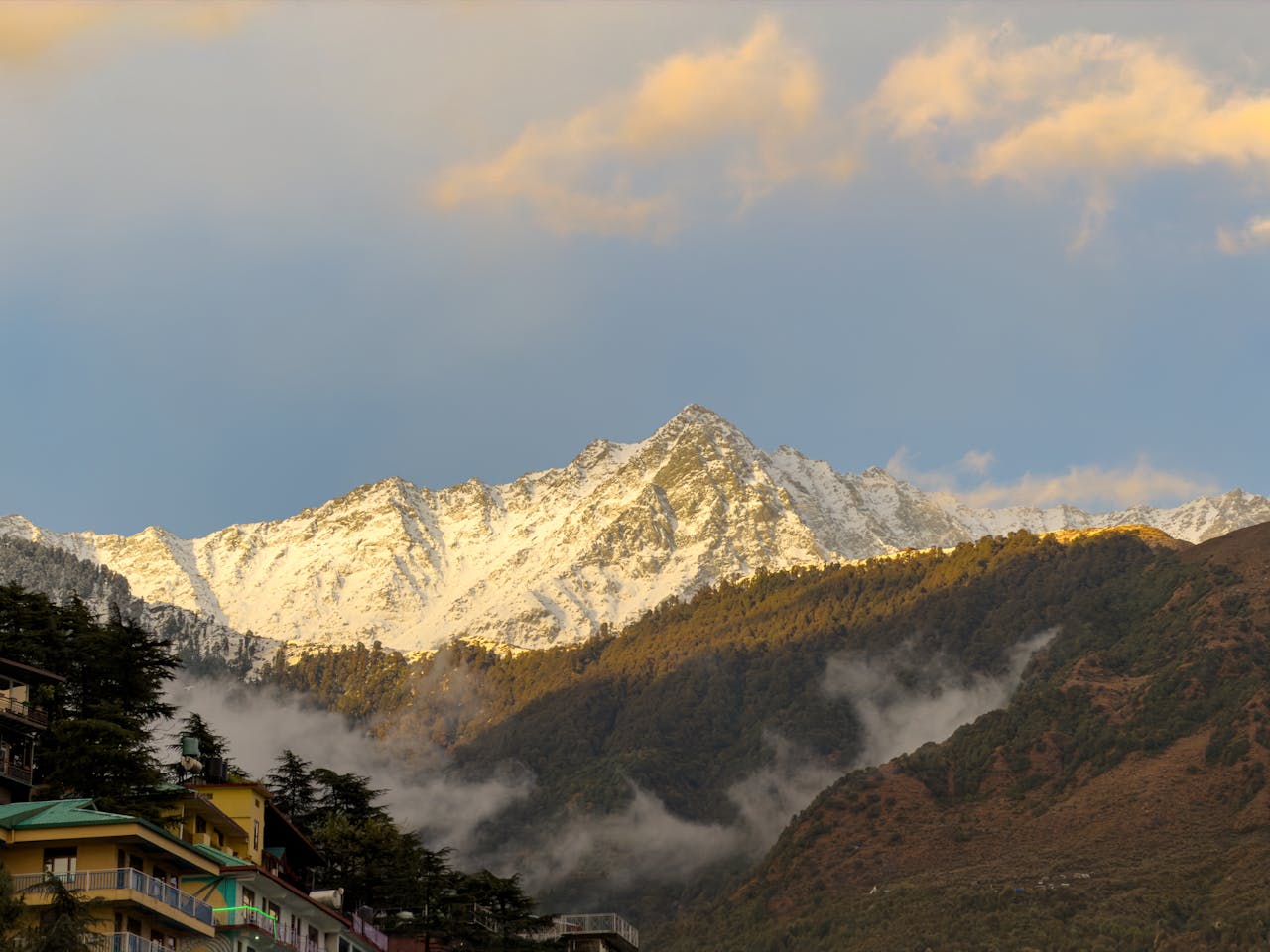
Nestled at an elevation of approximately 1,457 meters in the Kangra district of Himachal Pradesh, Dharamshala is one of India’s most captivating hill destinations. Flanked by the mighty Dhauladhar mountain range to the north and blessed with panoramic views of the Kangra Valley to the south, this town is a study in breathtaking contrasts. Lush pine and deodar forests share space with bustling Tibetan marketplaces; ancient Hindu temples stand within walking distance of Tibetan Buddhist monasteries; the hum of pilgrims mingles with the laughter of adventurous trekkers from every corner of the world.
The name Dharamshala literally translates to ‘a religious dwelling’ or ‘a resting place for pilgrims,’ and the town has more than lived up to that meaning. Since 1960, when His Holiness the 14th Dalai Lama, Tenzin Gyatso, established his government-in-exile here following the Tibetan uprising, the town has emerged as a globally recognized spiritual and cultural hub. The upper reaches of the town — centred on McLeod Ganj — are famously nicknamed ‘Little Lhasa’ or ‘Dhasa’ by the thousands of Tibetan refugees who call it home.
Whether you are a spiritual seeker drawn by the Dalai Lama’s teachings, an adventure enthusiast hungry for Himalayan treks, a cricket lover eager to watch a match in one of the world’s most scenic stadiums, a foodie exploring Tibetan cuisine, or simply a traveller in search of cool mountain air and spectacular scenery — Dharamshala offers it all, and then some. This comprehensive guide is designed to help you explore every corner of this extraordinary destination, from the heart of McLeod Ganj to the hidden valleys and waterfalls that surround it.
Getting to Dharamshala
Dharamshala is well connected to Punjab, Delhi, and other major cities by road, rail, and air. The most comfortable and flexible way to travel is by taxi, giving you the freedom to stop at scenic points, travel at your own pace, and arrive refreshed rather than exhausted.
By Taxi — Our Recommended Option
We at Your Journey Partner operate premium taxi services from Ludhiana, Jalandhar, Amritsar, Chandigarh, and New Delhi directly to Dharamshala and McLeod Ganj. Our professional drivers are experienced in mountain roads, and our fleet is well maintained for safe and comfortable travel. A typical journey from Ludhiana takes approximately 5 to 6 hours (around 250 km), from Jalandhar around 4.5 to 5 hours (215 km), from Amritsar around 6 hours (280 km), from Chandigarh approximately 5 hours (240 km), and from New Delhi around 9 to 10 hours (490 km). We offer both one-way and round-trip packages, along with multi-day tour itineraries across the region.
To book your comfortable, door-to-door taxi service, reach us at:
- Email: tourguide008@gmail.com
- Mobile / WhatsApp: +91 9855277372
Gaggal Airport (Kangra Airport), located approximately 13 km from Dharamshala, receives regular flights from Delhi and other cities. However, flights are subject to weather conditions and limited availability. We provide airport pickup and drop-off services — simply contact us to arrange seamless transfers.
The nearest broad-gauge railway station is Pathankot (approximately 90 km away), and Kangra station is on the narrow-gauge Pathankot–Jogindernagar line. From Pathankot, a taxi ride with us will take you comfortably to Dharamshala in under 2.5 hours. We can coordinate rail-to-taxi connections from Pathankot on request.
Lower Dharamshala: The Commercial Heart
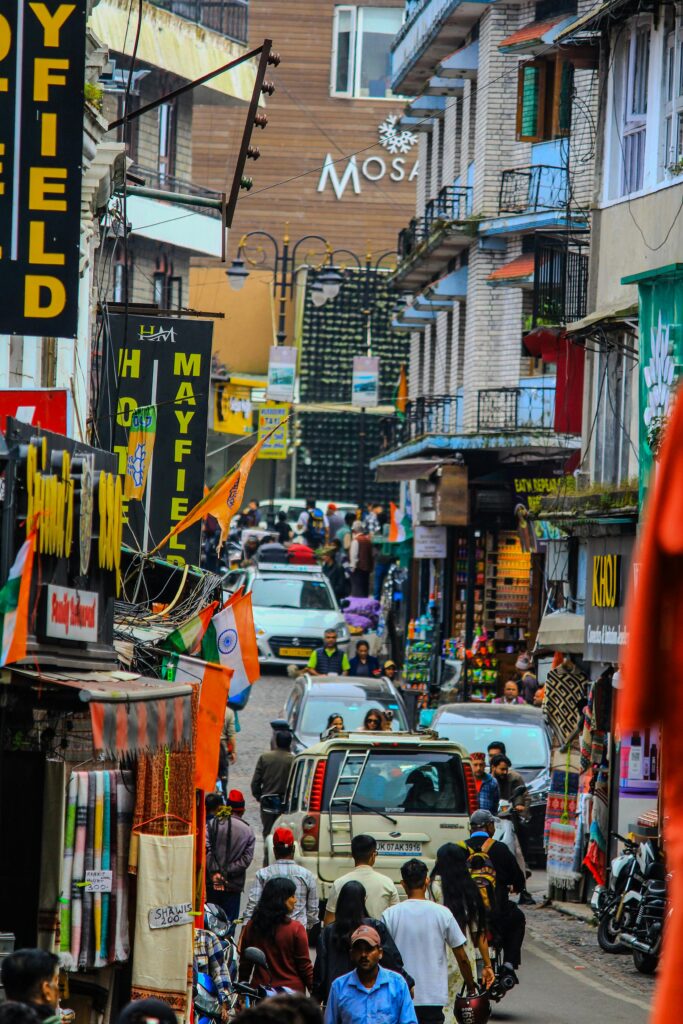
Many visitors rush straight to McLeod Ganj and overlook lower Dharamshala, but this part of town has its own distinct character and several attractions worth your time. It is the administrative and commercial centre of the Kangra district, home to markets, government offices, and a lively local culture that feels far removed from the tourist trail.
The main commercial hub of lower Dharamshala, Kotwali Bazaar is a vibrant street market where you can shop for local woolens, Kangra tea, handicrafts, and everyday goods. It gives you a genuine slice of Himachali town life, and the food stalls here serve excellent local snacks including chana madra, sidu, and babru — traditional Himachali dishes that are harder to find in the more tourist-oriented McLeod Ganj.
Situated near the bus stand, the Kangra Art Museum is a treasure trove for those interested in the region’s history. It houses a superb collection of Kangra miniature paintings — a distinct artistic tradition that flourished in the Kangra Valley during the 18th and 19th centuries and is celebrated for its delicate brushwork and vivid depiction of Krishna Lila themes. The museum also displays archaeological artefacts, coins, sculptures, and ethnographic objects tracing the cultural history of the Kangra region from ancient times to the present day.
One of the most photographed cricket grounds in the world, the Himachal Pradesh Cricket Association (HPCA) Stadium stands in the Dharamshala area with the snow-capped Dhauladhar peaks as its backdrop. International matches played here attract global attention not just for the cricket but for the sheer visual spectacle of the setting. Even if there is no match during your visit, the ground is worth seeing. The sight of a cricket pitch framed by peaks rising to over 5,000 meters is simply unforgettable.
St. John in the Wilderness Church
Located about 8 km from McLeod Ganj on the road from Dharamshala, this neo-Gothic Anglican church was built in 1852 and stands as one of the most atmospheric colonial-era structures in Himachal Pradesh. Set among ancient cedar trees, the church contains stained-glass windows dedicated to Lord Elgin, Viceroy of India, who is buried on the grounds. The churchyard, with its moss-covered gravestones and tall deodars filtering soft light, has a meditative, otherworldly quality that draws visitors of all faiths.
McLeod Ganj: Little Lhasa in the Himalayas
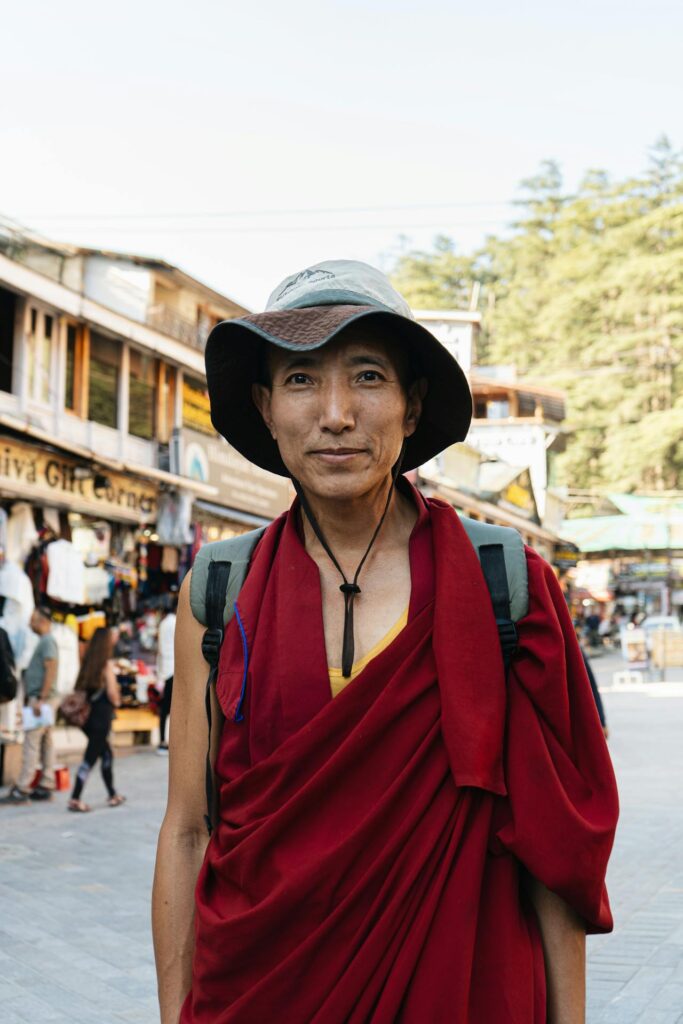
Perched at around 1,457 meters, McLeod Ganj is the crown of the Dharamshala experience. Named after Sir Donald Friell McLeod, a lieutenant-governor of Punjab under British rule, the neighborhood has been transformed over the past six decades into a living, breathing center of Tibetan culture and spirituality. The streets are lined with prayer flag-draped cafes, bookshops stacked with texts on Buddhism and Himalayan travel, shops selling thangka paintings and singing bowls, and restaurants offering everything from Tibetan thukpa to wood-fired pizza.
Tsuglagkhang Complex (Dalai Lama Temple)
The Tsuglagkhang Complex is the spiritual heart of McLeod Ganj and the residence of His Holiness the 14th Dalai Lama. The main temple, Tsuglagkhang, houses magnificent statues of Shakyamuni Buddha, Avalokitesvara, and Padmasambhava. The golden roofs glow brilliantly against the mountain sky, and the sound of monks chanting prayers creates an atmosphere of profound peace. Early mornings here are particularly magical, as the resident monks and Tibetan pilgrims begin their circumambulations. Visitors are welcome to attend public teachings by the Dalai Lama when they are scheduled — these gatherings draw thousands from across the world and are available free of charge, though registration is required.
Located within the Tsuglagkhang Complex, the Tibet Museum documents the history of Chinese occupation of Tibet, the subsequent Tibetan exodus, and the journey of the exile community in India. Through photographs, testimonials, and documentary films, the museum presents a moving and detailed account of the Tibetan struggle. It is sobering, educational, and essential viewing for anyone who wants to understand why McLeod Ganj has become what it is today.
Adjacent to the Tsuglagkhang, Namgyal Monastery is the personal monastery of the Dalai Lama and the largest Tibetan monastery outside Tibet. Monks here are trained in debate, ritual, and meditation, and the monastery runs educational programmes open to international students. The monastery’s courtyard is a wonderful spot to watch monks engage in rigorous philosophical debate — a practice called tsok that involves clapping, gesturing, and animated argument that is unlike anything most visitors have seen before.
Bhagsunag Temple and Waterfall
About 2 km from McLeod Ganj, Bhagsunag is home to an ancient Shiva temple dedicated to Nag Devta (the serpent deity) that is considered highly sacred by the local Gaddhi community. A short uphill walk from the temple — roughly 20 minutes on a clearly marked forest trail — leads to the Bhagsu Waterfall, a two-tiered cascade that plunges through a rocky gorge surrounded by dense forest. The spray and the sound of the water are instantly refreshing, and the pool at the base is a favourite spot for young trekkers to cool off. The trail around the waterfall continues higher for those who want to climb further into the mountains.
A kilometer or so above McLeod Ganj, Dharamkot is a relaxed village popular with backpackers, yoga practitioners, and those seeking a longer stay. It hosts several meditation centers and yoga ashrams offering courses in Vipassana, Ashtanga, and other traditions. The views from Dharamkot of the Kangra Valley are spectacular, and the sunsets here — when the western sky above the valley turns shades of amber and rose — are among the finest in the region. The village also serves as the starting point for the popular trek to Triund.
Trekking and Natural Wonders
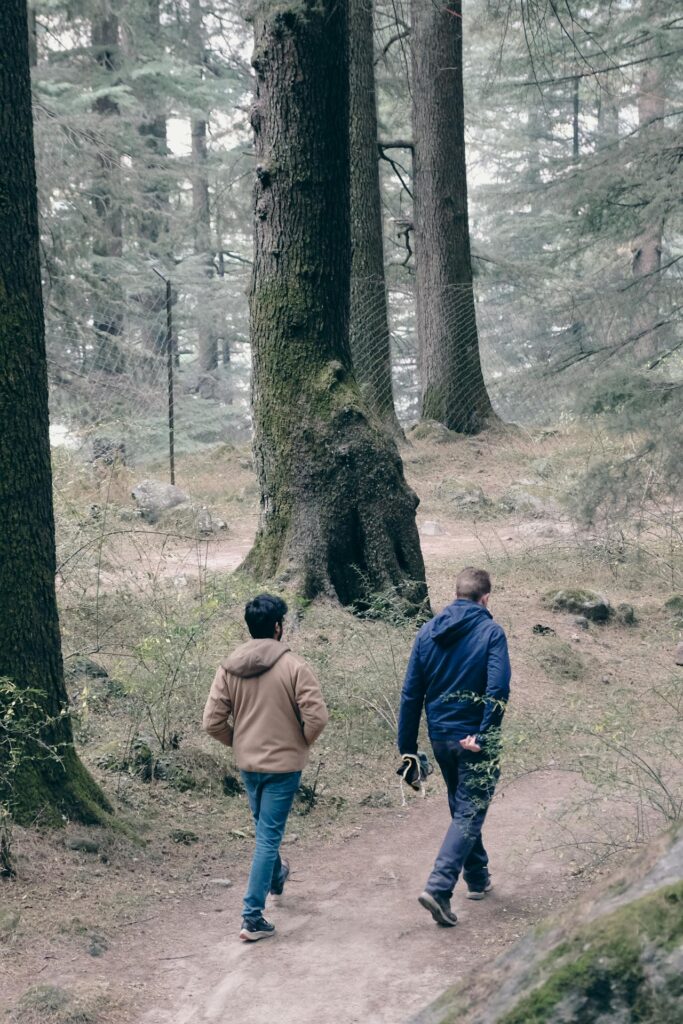
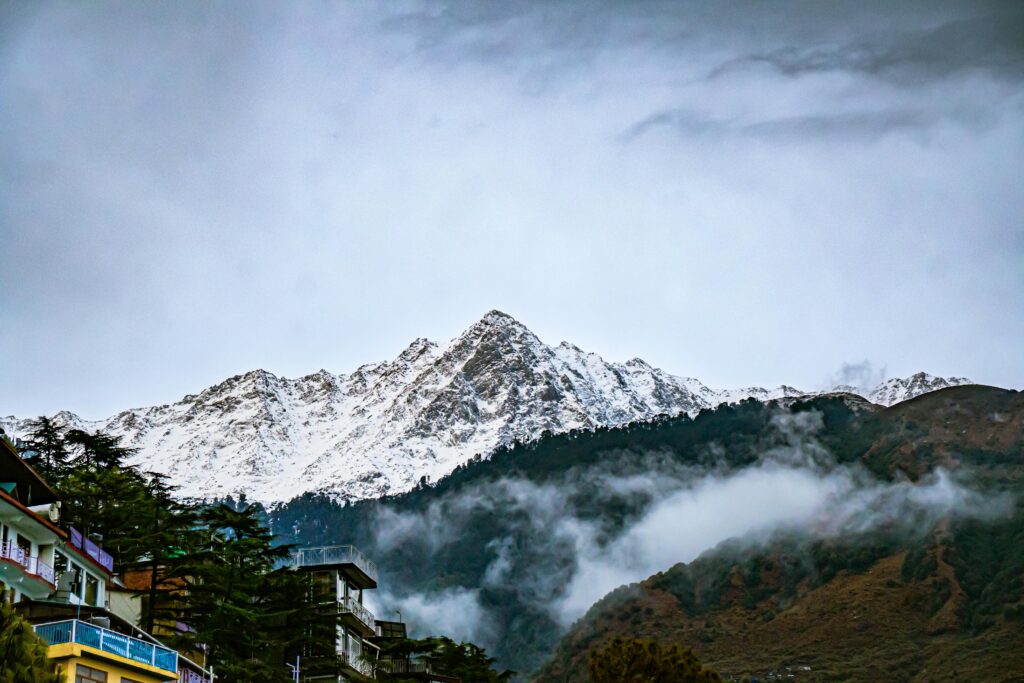
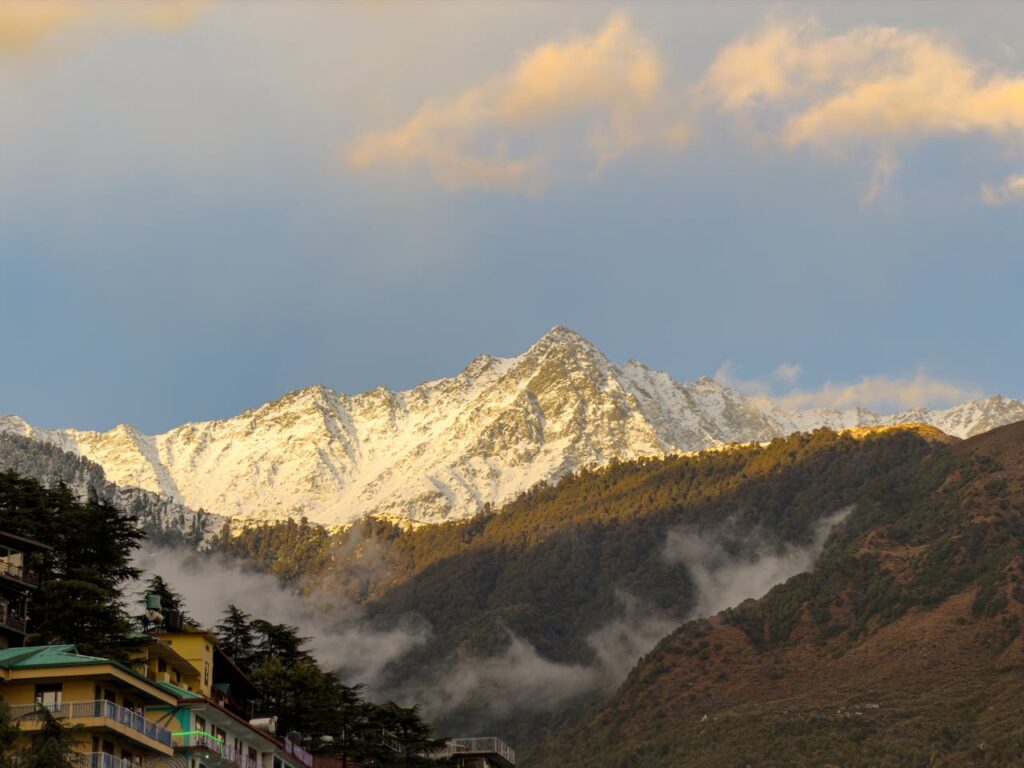
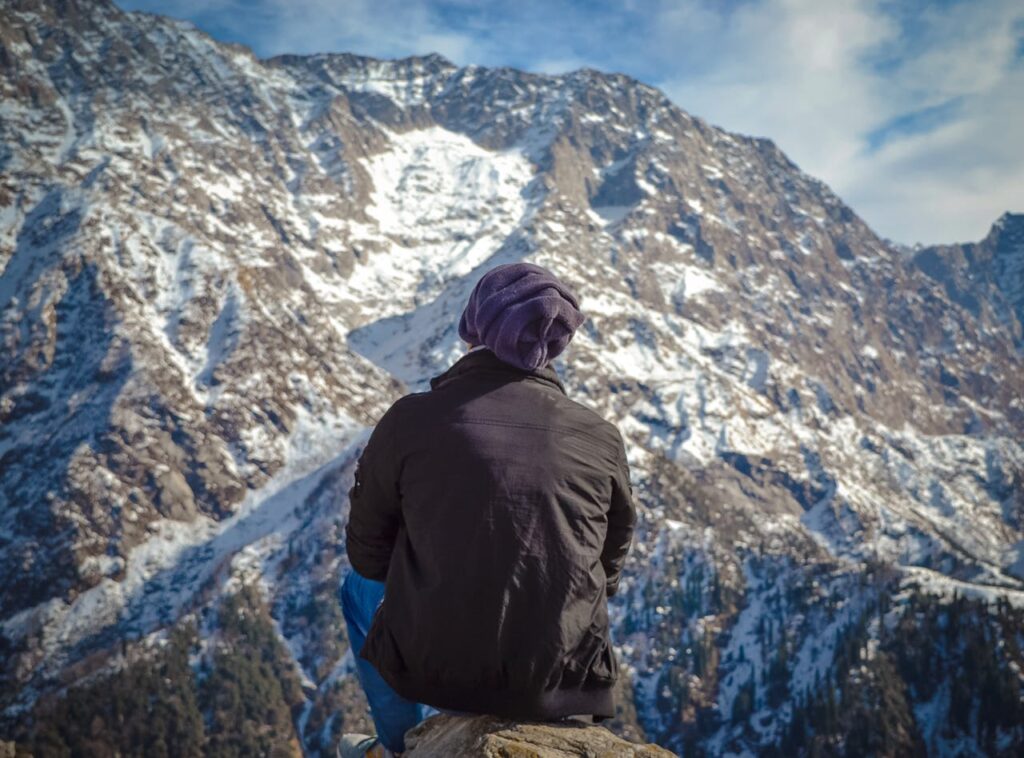
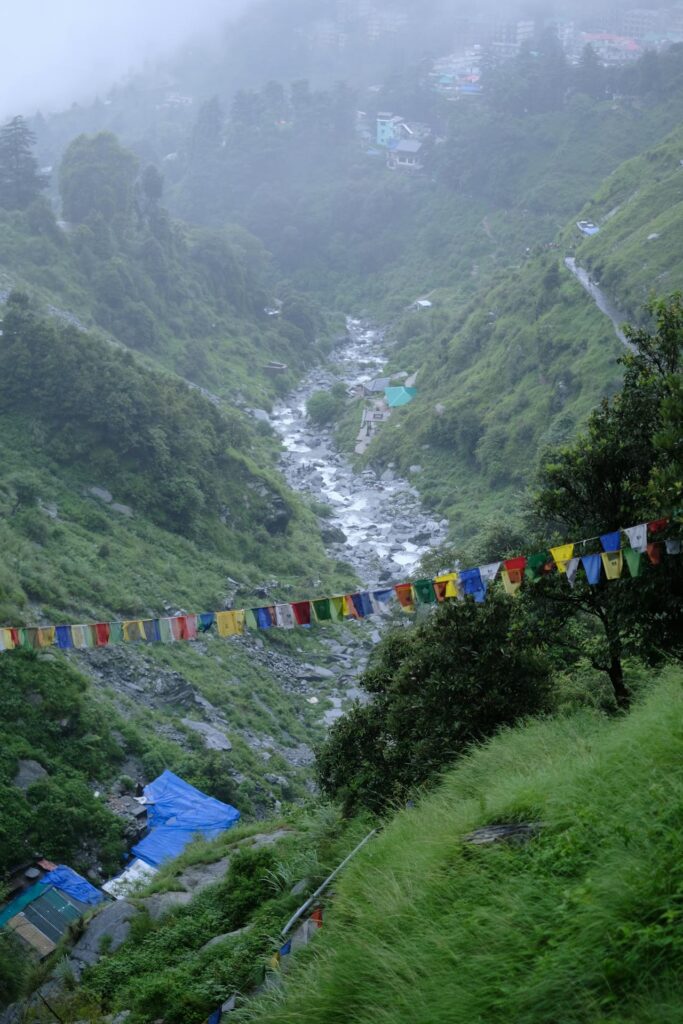
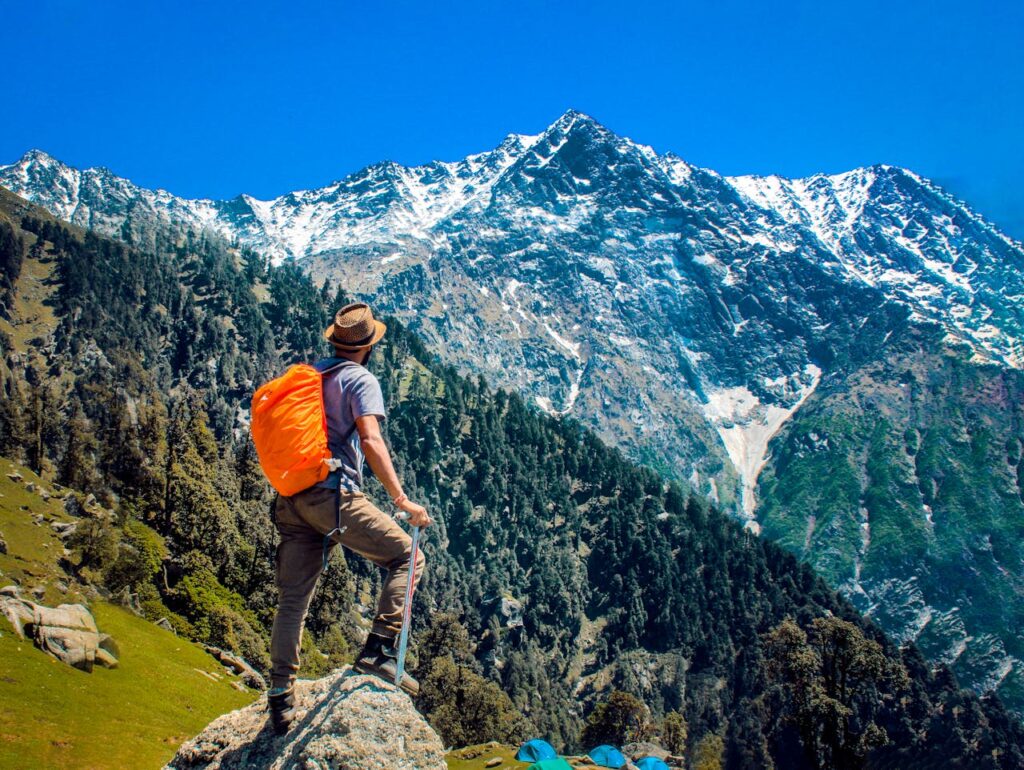
The Triund Trek is arguably the most famous day trek in Himachal Pradesh and one of the most rewarding short treks in India. Starting from Dharamkot (or the Gallu Devi Temple beyond Dharamkot), the trail winds through dense oak and rhododendron forest before opening out at the Triund meadow at 2,828 meters. The view from Triund is staggering: the snowline of the Dhauladhar range looms just above you on one side, while the broad Kangra Valley unfolds far below on the other. The trek takes approximately 4 to 5 hours one way and is moderately difficult, suitable for reasonably fit walkers. Camping overnight at Triund — watching the stars emerge above the peaks and greeting the dawn over the valley — is a transformative experience.
Beyond Triund, the trail continues past the Snowline Café to Lahesh Cave and the Indrahar Pass (4,342 meters), which crosses the Dhauladhar range into the Chamba Valley. The Indrahar Pass trek is a challenging 3-day expedition requiring experience in high-altitude trekking and is best done with a guide. The views from the pass, looking back over the Kangra Valley and forward toward Chamba, are nothing short of extraordinary.
Kareri Lake, a glacial freshwater lake at 2,934 meters, is one of the hidden gems of the Dharamshala region. The trek to the lake from Kareri village (about 22 km from Dharamshala) takes two days, passing through dense forests, meadows, and small shepherd settlements. The lake, fed by snowmelt from the Dhauladhar peaks, is achingly beautiful — a sheet of turquoise water enclosed by rocky ridges and ringed with wildflowers in summer. It is far less crowded than Triund and offers a more immersive wilderness experience.
Located about 3 km above McLeod Ganj, the Gallu Devi Temple is both a religious site and the most popular trailhead for the Triund trek. The temple is dedicated to Goddess Durga and is frequented by local Gaddi shepherds and Himachali pilgrims. The surroundings are densely forested, and even if you are not trekking beyond, the short walk from McLeod Ganj to Gallu through the forest is thoroughly enjoyable.
Nearby Excursions from Dharamshala
Approximately 18 km from Dharamshala, Kangra Fort is one of the oldest and largest forts in India. Perched on a rocky hill at the confluence of the Manjhi and Banganga rivers, it dates back over 3,500 years. Through the centuries it was held by the Katoch dynasty (one of the oldest royal houses in the world), plundered by Mahmud of Ghazni, besieged by the Mughals, damaged by the great earthquake of 1905, and finally taken by the British. Its massive walls, ruined palaces, and ancient temples tell centuries of dramatic history. The views from the ramparts over the surrounding farmland and the Dhauladhar range are superb.
Around 35 km from Dharamshala, the Masrur Rock-cut Temple is often described as the ‘Ellora of the Himalayas.’ A cluster of early 8th-century Shiva temples, they are cut directly from a single ridge of sandstone and are remarkable for the sophistication of their craftsmanship. Though partially damaged by the 1905 earthquake, the main shikhara towers still rise dramatically against the skyline. A large artificial reservoir in front reflects the temples beautifully in still conditions, especially at golden hour. Masrur is significantly under visited compared to its artistic merit, making it a delight for those who like exploring away from crowds.
About 35 km from Dharamshala, Palampur is a charming town renowned for its lush tea gardens — the northernmost tea-growing region in India. Walking through rows of manicured tea bushes with the snow peaks as backdrop, visiting a tea factory to understand how Kangra tea is processed, and sampling a freshly brewed cup of the distinctively light, aromatic Kangra green tea are experiences unique to this corner of Himachal Pradesh. Palampur also has several temples, waterfalls, and the historic Neugal Park canyon.
Located in Sidhpur, about 6 km from Dharamshala, the Norbulingka Institute was established in 1988 to preserve Tibetan arts and culture. Named after the summer palace of the Dalai Lamas in Lhasa, the institute houses artisan studios where thangka painting, wood carving, metal casting, and appliqué work are taught and practiced. Visitors can walk through beautifully landscaped Japanese-style gardens, visit the Deden Tsuglakhang Temple with its magnificent 14-metre gilded statue of the Buddha, and browse the gift shop for authentic, handcrafted Tibetan art pieces.
Bir Billing — The Paragliding Capital of Asia
About 65 km from Dharamshala, Bir-Billing is one of the finest paragliding sites in the world. Billing (2,430 meters) serves as the launch site and Bir as the landing zone, with the flight covering a spectacular 14 km over forests, meadows, and villages. The area hosted the Paragliding World Cup in 2015, cementing its reputation globally. Beyond paragliding, Bir is a wonderful destination in its own right — a quiet village with a significant Tibetan refugee settlement, ancient stupas, and a thriving community of artists and adventurers.
Dharamshala to Dalhousie and Chamba
If time allows, the region around Dharamshala serves as an excellent base for a longer Himachal circuit. Dalhousie (about 110 km), with its Scottish Baronial architecture and pine-covered slopes, and Chamba (about 120 km), an ancient hill town rich with temples and tribal culture, are both deeply worthwhile excursions. We at Your Journey Partner can arrange customized multi-day itineraries covering all these destinations — simply call or email us to design your perfect Himachal Pradesh tour.
Spiritual and Wellness Experiences
Vipassana and Buddhist Meditation
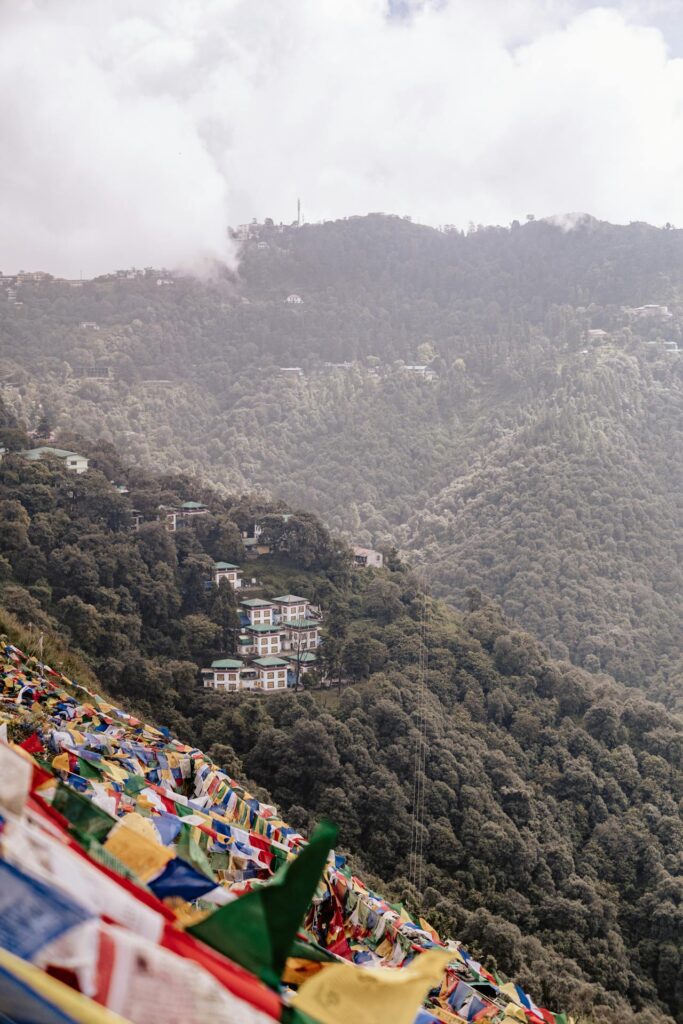
McLeod Ganj and its surroundings host a remarkable concentration of meditation centers, many of them offering courses in Vipassana, mindfulness, and Tibetan Buddhist practice. The Tushita Meditation Centre, perched above McLeod Ganj in a forest clearing, is one of the most respected Tibetan Buddhist retreat centers outside Tibet. It offers a range of courses from one-day introductory sessions to 10-day in-depth retreats. Mornings of practice, walking meditation in the surrounding forest, and philosophical study with resident teachers combine to create experiences that many visitors describe as genuinely life-changing.
Dharamkot and McLeod Ganj are packed with yoga studios offering everything from drop-in Hatha classes for beginners to intensive multi-week teacher training programmes. Several Ayurvedic clinics and wellness centers offer traditional massages, herbal treatments, and personalized wellness consultations. The combination of mountain air, spiritual atmosphere, and professional wellness practitioners makes this region one of India’s premier destinations for holistic healing.
Tibetan Learning Centre (Library of Tibetan Works and Archives)
The Library of Tibetan Works and Archives (LTWA) is one of the most important repositories of Tibetan knowledge in the world. Located in Gangchen Kyishong, the administrative zone of the Tibetan government-in-exile between lower Dharamshala and McLeod Ganj, the LTWA contains over 80,000 manuscripts and documents preserved from Tibet. It also runs courses in Tibetan language, culture, and philosophy for international students. Even a short visit gives a profound appreciation of the depth and sophistication of Tibetan civilization.
Food, Culture, and the McLeod Ganj Experience
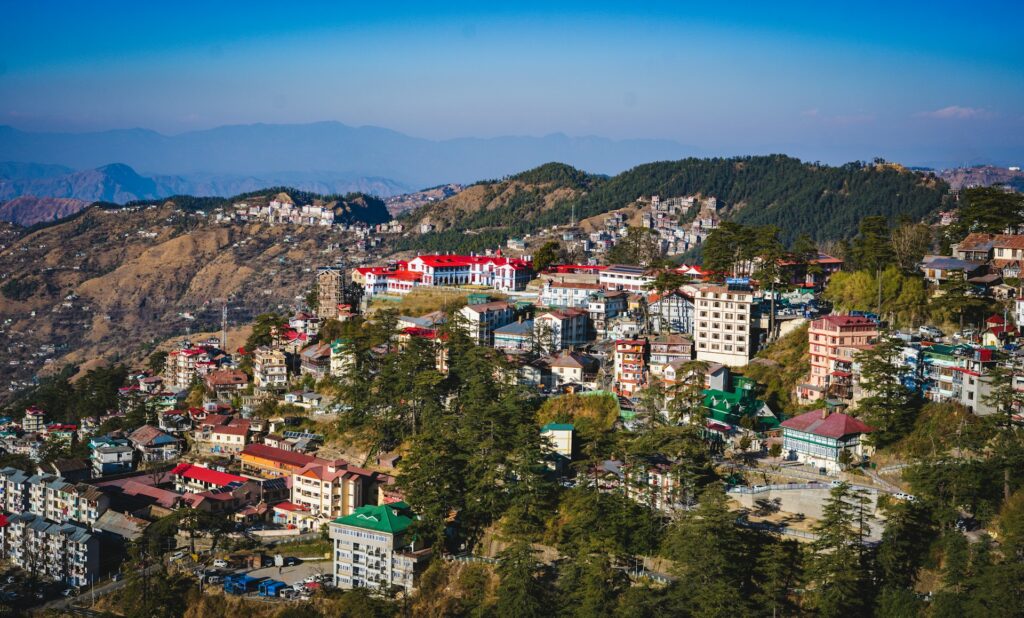
The food scene in McLeod Ganj is one of its greatest pleasures. Tibetan cuisine is hearty, warming, and deeply satisfying — perfect for a mountain setting. Thukpa, a noodle soup laden with vegetables or meat, is the ultimate comfort food here. Momos — steamed or fried dumplings filled with vegetables, chicken, or pork — are practically the national dish of McLeod Ganj. Thenthuk, a hand-pulled noodle soup, and shapale, fried bread pockets stuffed with meat, are other Tibetan staples worth trying. Butter tea (po cha), made from tea leaves, yak butter, and salt, is an acquired taste but an authentic part of the culture. For the sweet-toothed, Tibetan bread (balep) drizzled with honey and jam makes an excellent breakfast.
International and Multicultural Dining
Given its cosmopolitan character, McLeod Ganj supports a remarkably diverse dining scene. The cafes along Jogiwara Road and the lanes around the main square serve excellent Israeli food (falafel, shakshuka, laffa bread), Italian wood-fired pizza, Japanese ramen, and continental brunches. Nick’s Italian Kitchen is a long-standing favourite, and Moonpeak Espresso draws coffee lovers from across the region. The rooftop restaurants with views of the Kangra Valley are particularly atmospheric for evening dining.
The markets of McLeod Ganj are a treasure chest of Tibetan and Himachali crafts. Thangka paintings — intricate, detailed depictions of Buddhas, deities, and mandalas rendered in mineral pigments on cotton canvas — range from small, affordable prints to large masterworks that require months of work and command significant prices. Singing bowls, hand-hammered from a blend of seven metals, produce resonant tones used in meditation and healing practice. Prayer flags, incense, mala beads, pashmina shawls, locally woven carpets, and chunky Tibetan jewellery set with turquoise, coral, and silver are also widely available. The Tibetan Refugee Self-Help Centre and the Women’s Welfare Cooperative are excellent places to buy genuinely handcrafted products while directly supporting the community.
Festivals and Events
Dharamshala and McLeod Ganj come alive during festivals, and timing your visit to coincide with a major celebration can transform the experience.
Losar, the Tibetan New Year, falls in February or March according to the Tibetan lunar calendar. It is the biggest celebration of the year in McLeod Ganj, marked by elaborate rituals in the monastery, communal dances, colourful costumes, and the distribution of special foods. The mood is joyous and the town fills with the scent of incense and the sound of long horns.
When the Dalai Lama delivers public teachings in Dharamshala — particularly the Kalachakra empowerment — thousands of monks, Tibetan refugees, and international devotees gather. These occasions are deeply moving and offer a rare opportunity to experience Tibetan Buddhist ritual on a grand scale. Dates are announced on the Dalai Lama’s official website, and we recommend booking transport well in advance for these periods.
International Dharamshala Film Festival
Held annually, usually in October, the International Dharamshala Film Festival (DIFF) screens films from across India and the world, with a focus on alternative cinema, documentary filmmaking, and stories from the Himalayan region. The festival brings together filmmakers, activists, and cinephiles in a setting uniquely suited to thoughtful, immersive storytelling.
Practical Travel Information
Dharamshala and McLeod Ganj are accessible year-round, though each season offers a different experience:
- March to June (Spring and Early Summer): The most popular season. Weather is pleasant (10°C–25°C), rhododendrons bloom, trekking conditions are ideal, and the valleys are lush.
- July to September (Monsoon): Heavy rainfall makes trekking challenging and landslides can disrupt roads. However, the landscape is intensely green and dramatically beautiful, with misty peaks and swollen waterfalls.
- October to November (Autumn): Clear skies, brilliant visibility, and crisp mountain air make this an excellent time for trekking and photography. Temperatures drop to 5°C–15°C.
- December to February (Winter): Cold (sub-zero nights), snowfall on the peaks and sometimes in town, and a quiet, romantic atmosphere. Perfect for those who want to experience a snow-dusted Himalayan town without the summer crowds.
Dharamshala and McLeod Ganj offer accommodation across all budgets, from international-standard hotels and boutique mountain lodges to budget guesthouses and yoga retreat dormitories. Some well-regarded options include the Hyatt Regency Dharamshala Resort (luxury), Fortune Park Moksha (mid-range), Norbulingka’s Norbulinka Retreat (unique cultural experience), and a wide range of guesthouses on Bhagsu Road and in Dharamkot for the budget traveller. For the most authentic experience, consider staying in McLeod Ganj’s old quarter near the monastery.
- Dress modestly when visiting temples and monasteries. Carry a scarf or shawl to cover your shoulders.
- Always walk clockwise around stupas (chortens) and prayer wheels — this is the direction of auspiciousness in Tibetan Buddhist tradition.
- Be mindful of noise and photography restrictions around the monastery, particularly during prayer sessions.
- Carry cash — ATMs are available but can run out of currency during busy festival periods.
- Bring warm layers at all times of year — evenings and nights are cool even in summer.
- Plastic is largely banned in McLeod Ganj — carry a reusable water bottle and refill at filtered water stations.
- Respect the political sensitivity of Tibetan issues — conversation about Tibet and the Dalai Lama is welcome among the community, but always approach the subject with sensitivity and respect.
Why Choose Your Journey Partner for Your Dharamshala Trip
Planning a trip to Dharamshala and the Kangra Valley involves navigating mountain roads, coordinating multiple destinations, and managing the logistics of a region where conditions can change quickly. We at Your Journey Partner have been helping travellers from Punjab, Delhi, and beyond make the most of their Himalayan visits for years. Here is what sets us apart:
- Experienced Drivers: All our drivers know the mountain roads of Himachal Pradesh intimately, drive safely, and are available to share local knowledge.
- Wide Network: We pick up from Ludhiana, Jalandhar, Amritsar, Chandigarh, and New Delhi — wherever you are in the region, we will come to you.
- Customized Itineraries: Whether you want a single day trip, a weekend getaway, or a two-week Himachal circuit, we design the journey around your interests and budget.
- 24/7 Availability: Travel plans change — our support is available around the clock for rescheduling, emergency pickups, and last-minute bookings.
- Transparent Pricing: No hidden charges. We quote clearly upfront and stick to it.
- Local Connections: We can arrange stays, guides, porters for trekking, restaurant reservations, and activity bookings through our trusted network in Dharamshala.
Suggested Itineraries
- Day 1: Depart early, arrive Dharamshala by noon. Lunch in McLeod Ganj. Visit Tsuglagkhang Complex and Tibet Museum. Evening walk to Bhagsunag and the waterfall. Overnight in McLeod Ganj.
- Day 2: Early morning drive to Dharamkot for sunrise views. Trek to Triund (full day). Return to McLeod Ganj for dinner. Evening departure, arrive home by midnight.
- Day 1: Travel from your city to Dharamshala. Check in, rest, evening stroll in McLeod Ganj.
- Day 2: Tsuglagkhang Complex, LTWA Library, Norbulingka Institute, Bhagsunag Temple.
- Day 3: Full-day Triund Trek (with overnight camping option). OR day excursion to Kangra Fort and Masrur Temple.
- Day 4: Morning visit to Palampur Tea Gardens. Afternoon drive to Bir-Billing for paragliding. Evening return journey.
Conclusion: A Destination That Changes You
There are places you visit and places that visit you — that occupy some quiet corner of your mind long after you have returned home. Dharamshala and McLeod Ganj are firmly in the second category. The mountains here are not merely scenery; they are a presence. The culture is not merely interesting; it is transformative. The spirituality is not merely ambient; it is accessible, practiced every day by real human beings who have carried it through extraordinary hardship and emerge with dignity and serenity intact.
Whether you spend two days or two weeks here, whether you come for trekking or teaching, for momos or meditation, for the cricket stadium or the sound of monks chanting at dawn — Dharamshala will give you something you did not know you were looking for. And when it is time to come home, we will be right there to take you back, safely and comfortably, to wherever you began.
Book your journey with us today:
Your Journey Partner — Taxi & Tour Services
📧 Email: tourguide008@gmail.com
📞 Mobile / WhatsApp: +91 9855277372
🚗 Serving: Ludhiana • Jalandhar • Amritsar • Chandigarh • New Delhi
⛰️ Destination: Dharamshala, McLeod Ganj & All of Himachal Pradesh